ESD hosts impact assessment training; guides leaders in crafting objectives
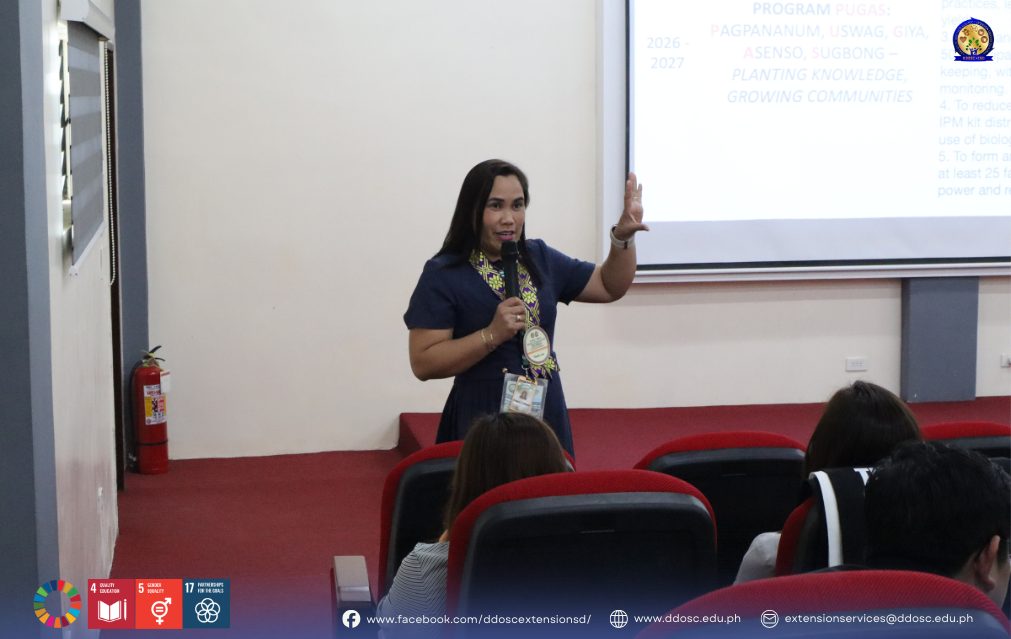
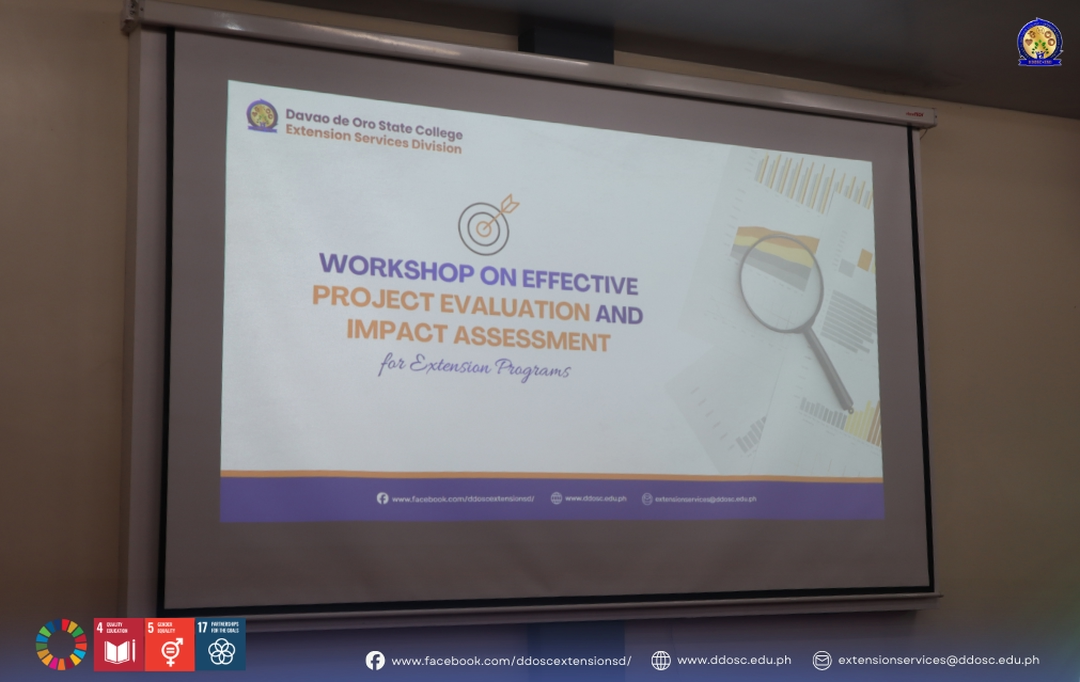
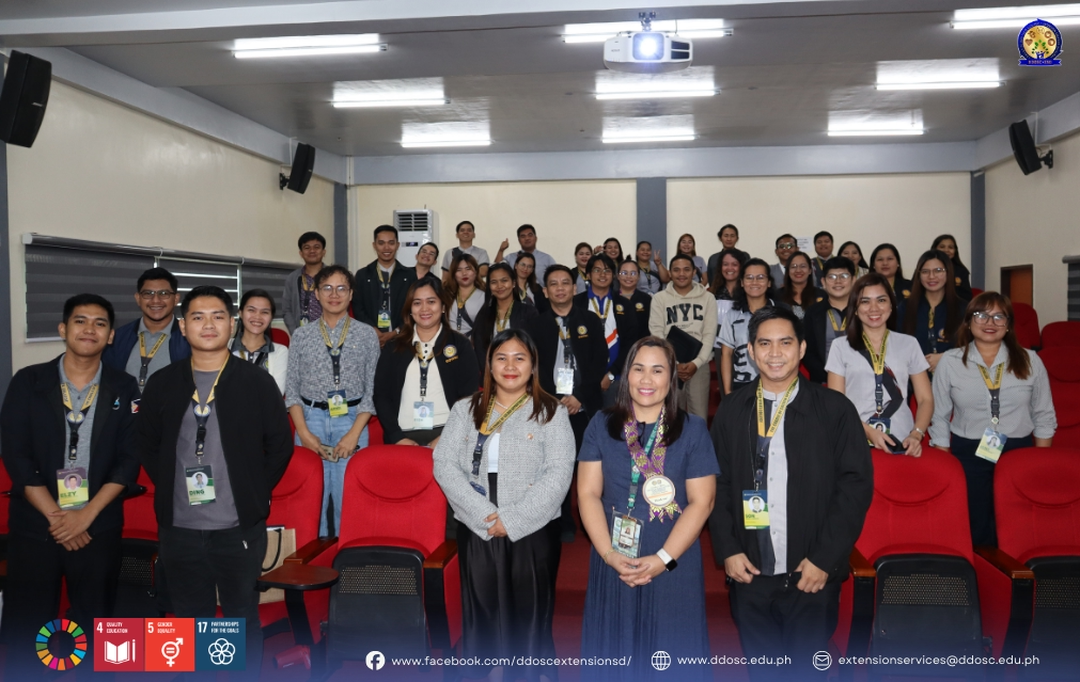
In a proactive move to elevate the quality of its extension initiatives, Davao de Oro State College Extension Services Division led a comprehensive workshop on Effective Project Evaluation and Impact Assessment for extension program and project leaders across its various branches, at the AudioVisual Room, DdOSC Main Campus, on March 4, 2026.
The proceedings commenced with the rationale and welcome remarks from the Director of the Extension Services Division, Dr. Jeson N. Geroche. He underscored the necessity of continuous improvement, ensuring that DdOSC remains at the forefront of community service excellence.
Representing College President Dr. Lilybeth M. Matunhay, Vice President for Academic Affairs Dr. Gloryjean C. Altamera expressed the administration’s full support for the initiative. On behalf of the President, she noted the significance of the event, marking it as the first dedicated training of its kind within the college.
To provide institutional context, Nova Mae B. Nasol, Quality Assurance Unit Head, discussed how impact assessment aligns with the rigorous standards of the Accrediting Agency of Chartered Colleges and Universities in the Philippines (AACCUP). She highlighted that while the activity strengthens the professional competencies of faculty and staff, its true success is measured by how effectively these projects translate into tangible benefits for the community.
The workshop featured Dr. Mariannie A. Rebortera, Director for Extension Division at Davao del Norte State College , as the esteemed resource speaker. She lightened up the room by sharing candid personal anecdotes from her years in the field. By relating to the audience as fellow extensionists, she addressed the shared challenges of grassroots implementation.
Dr. Rebortera emphasized that “impact” is a long-term goal, requiring proponents to maintain contact with beneficiaries long after a project ends. She acknowledged how being an extension proponent can mean braving bureaucratic hurdles but also offers the fulfillment of witnessing measurable transformation in communities and the lasting partnerships grounded in trust and accountability.
She comprehensively discussed the essential processes and standards, including proper needs assessment, logical framework development, and documentation protocols.
The afternoon session transitioned into a hands-on workshop where project proponents crafted potential objectives using the frameworks provided. Participants presented their outputs, receiving concrete and contextualized feedback from Dr. Rebortera to ensure their plans effectively follow the SMART principles.
More than a technical training, the workshop marked a step toward institutionalizing a culture of evidence-based extension practice at DdOSC. As emphasized by Dr. Rebortera, “Without impact assessment, extension project is merely a documentation of effort, not evidence of change.”