
DOST-FPRDI, DdOSC conduct field assessment on invasive buyo-buyo in Davao Region
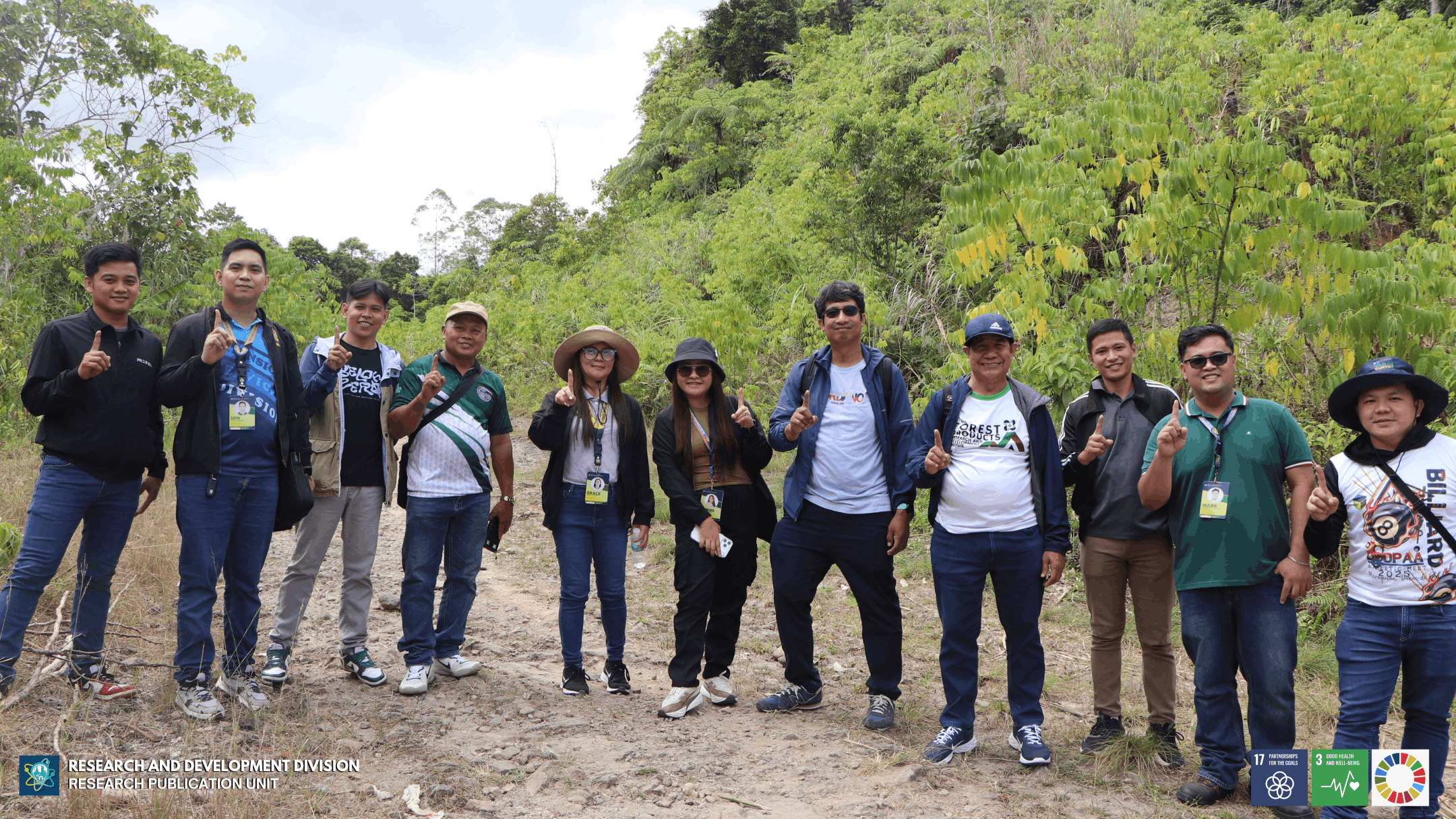
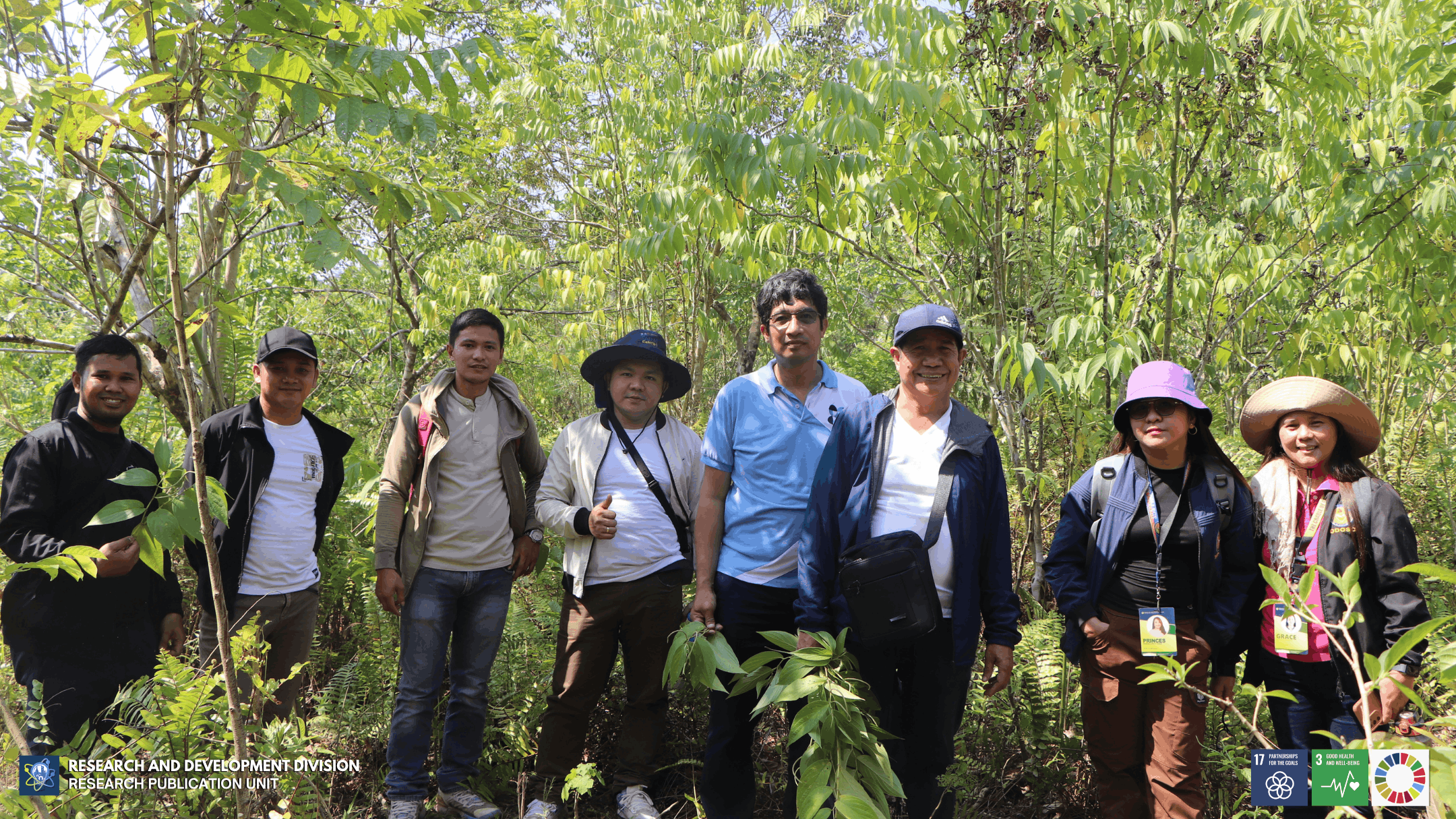
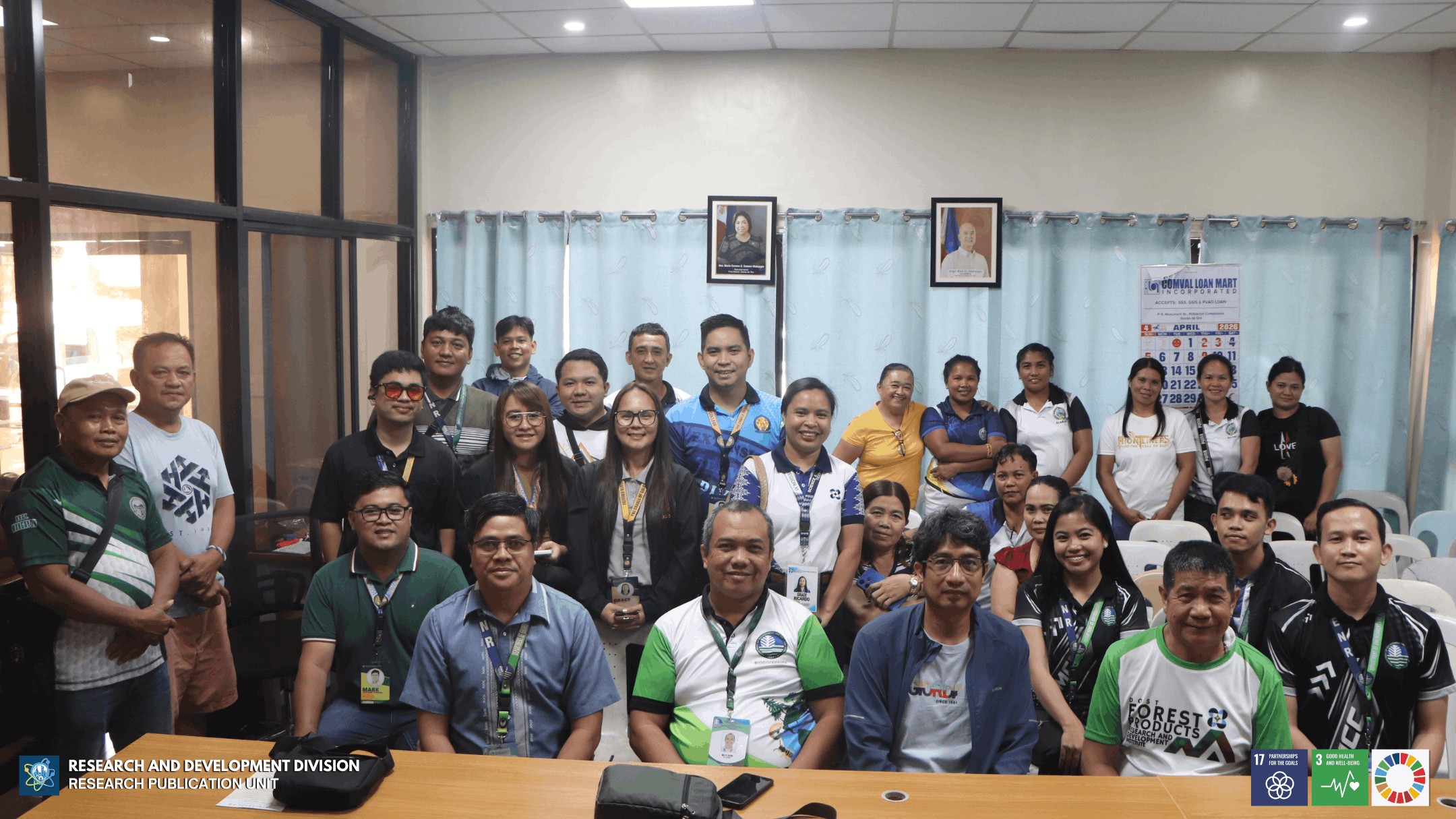
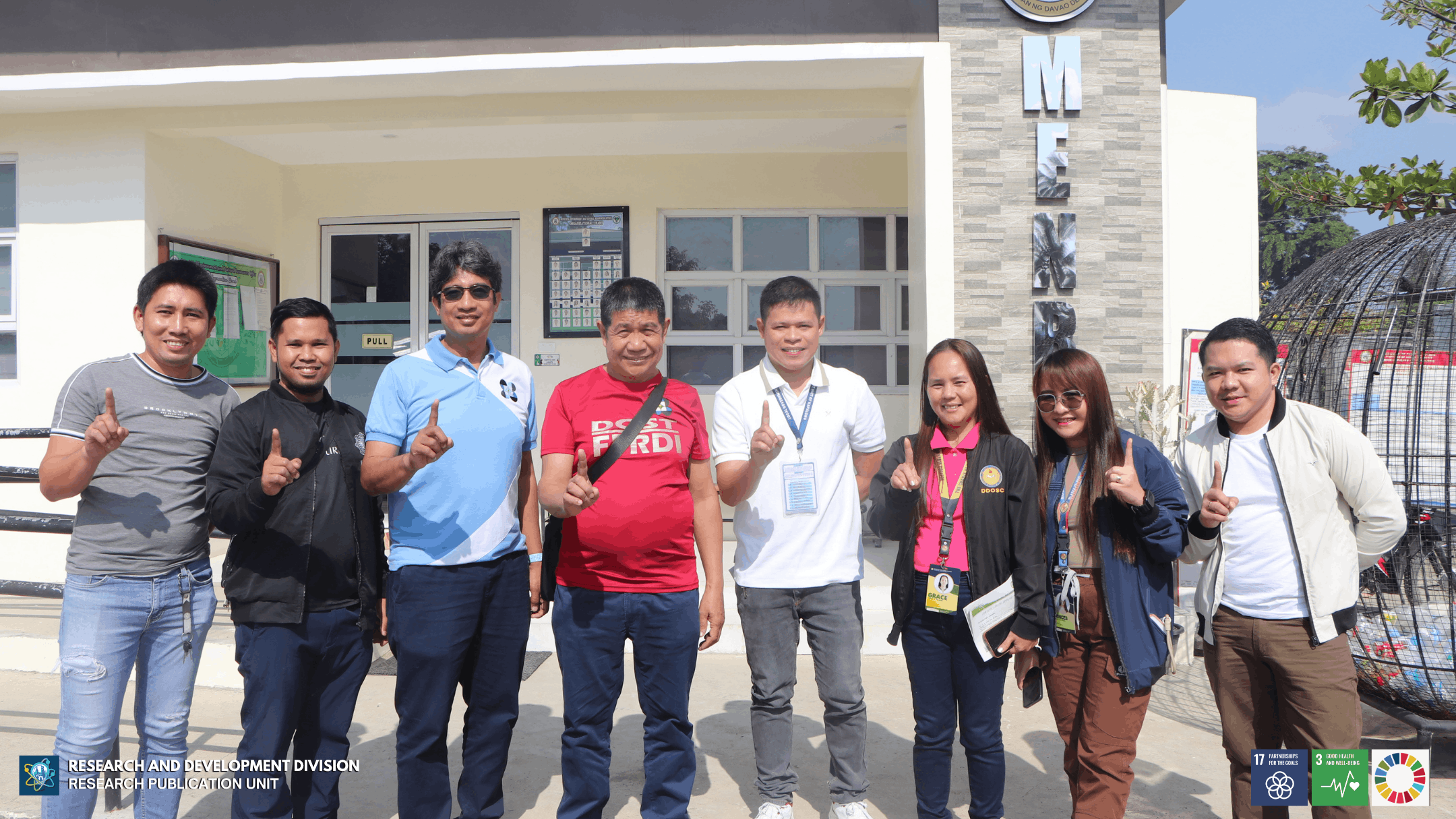
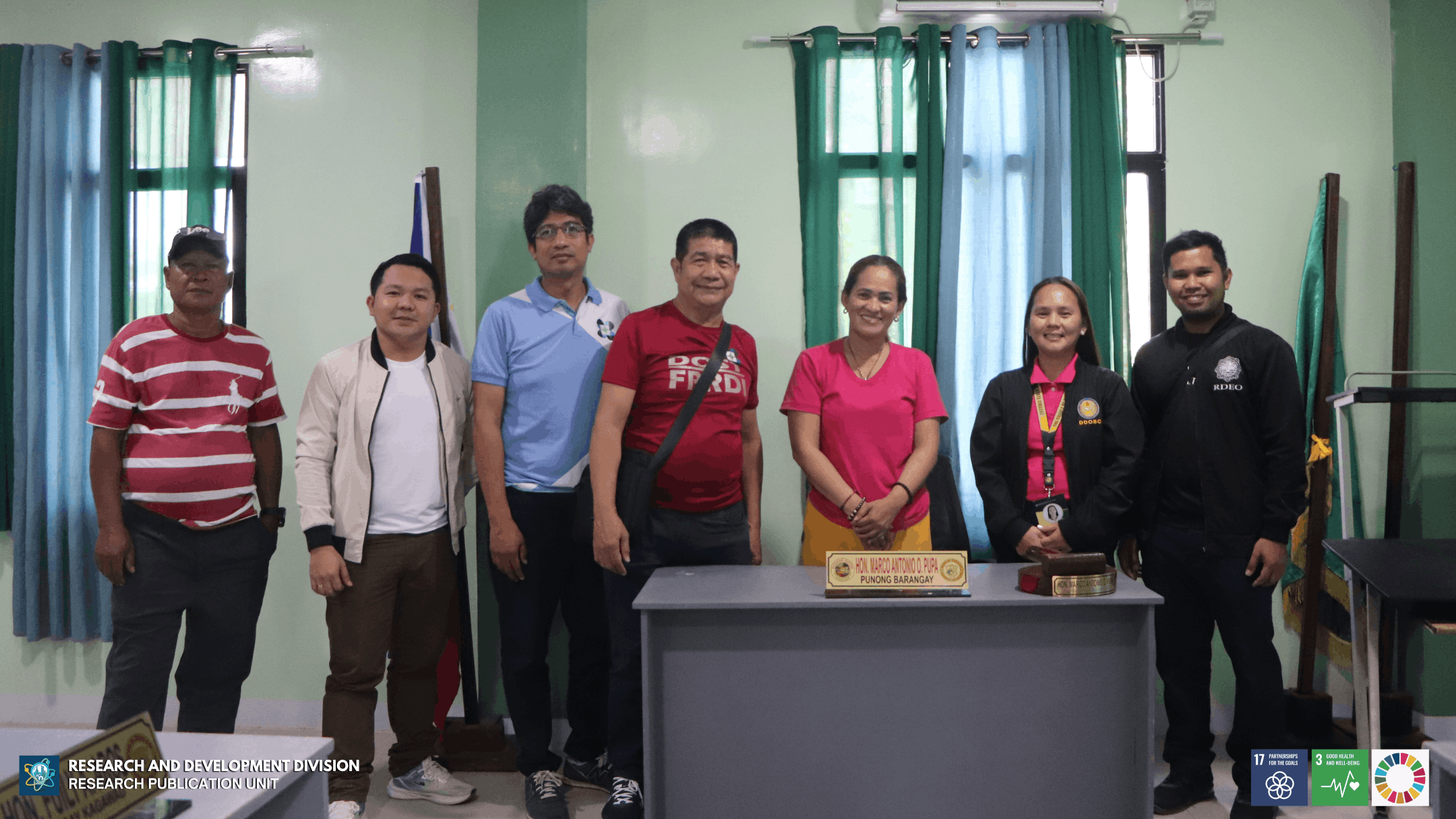
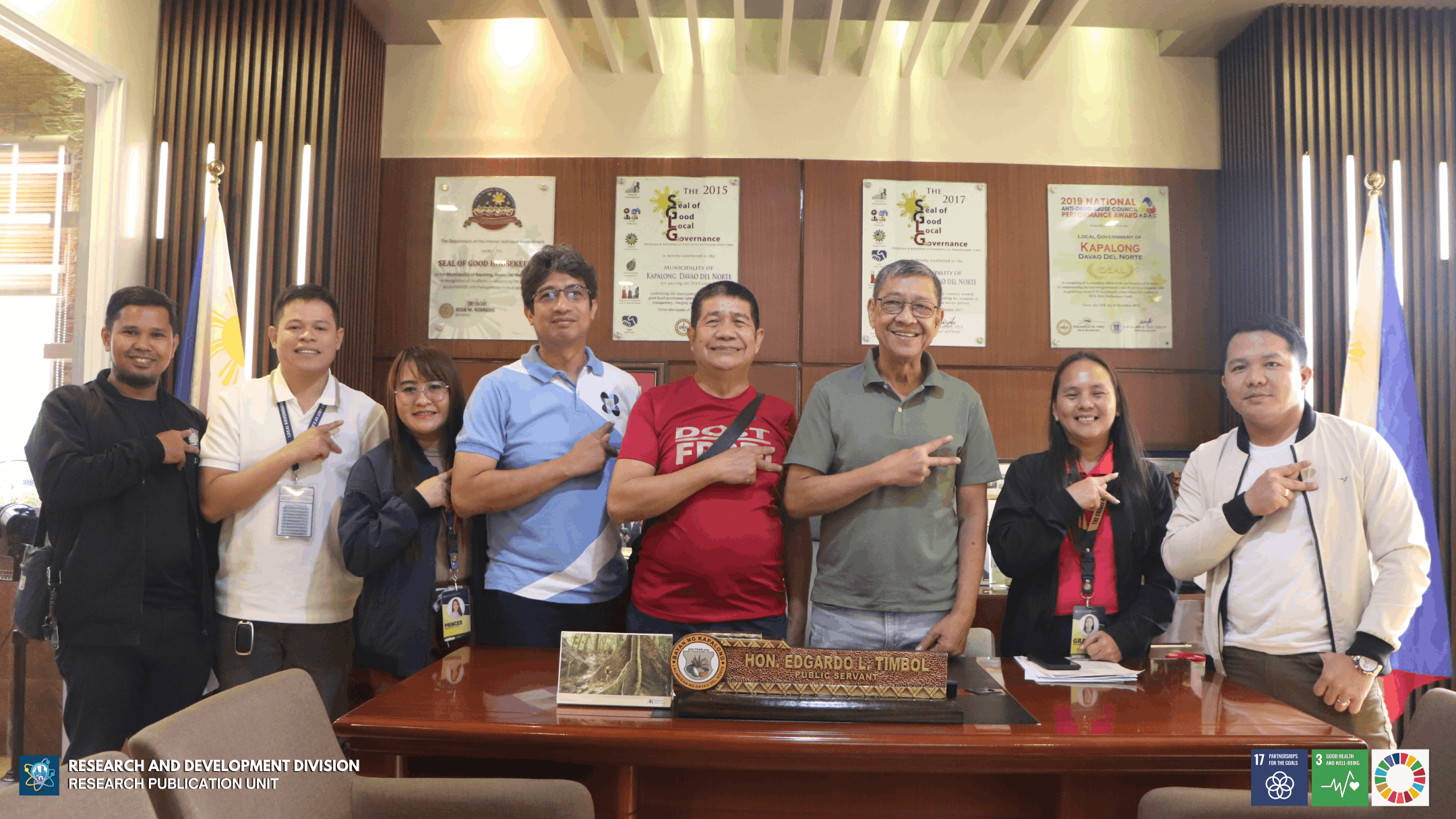
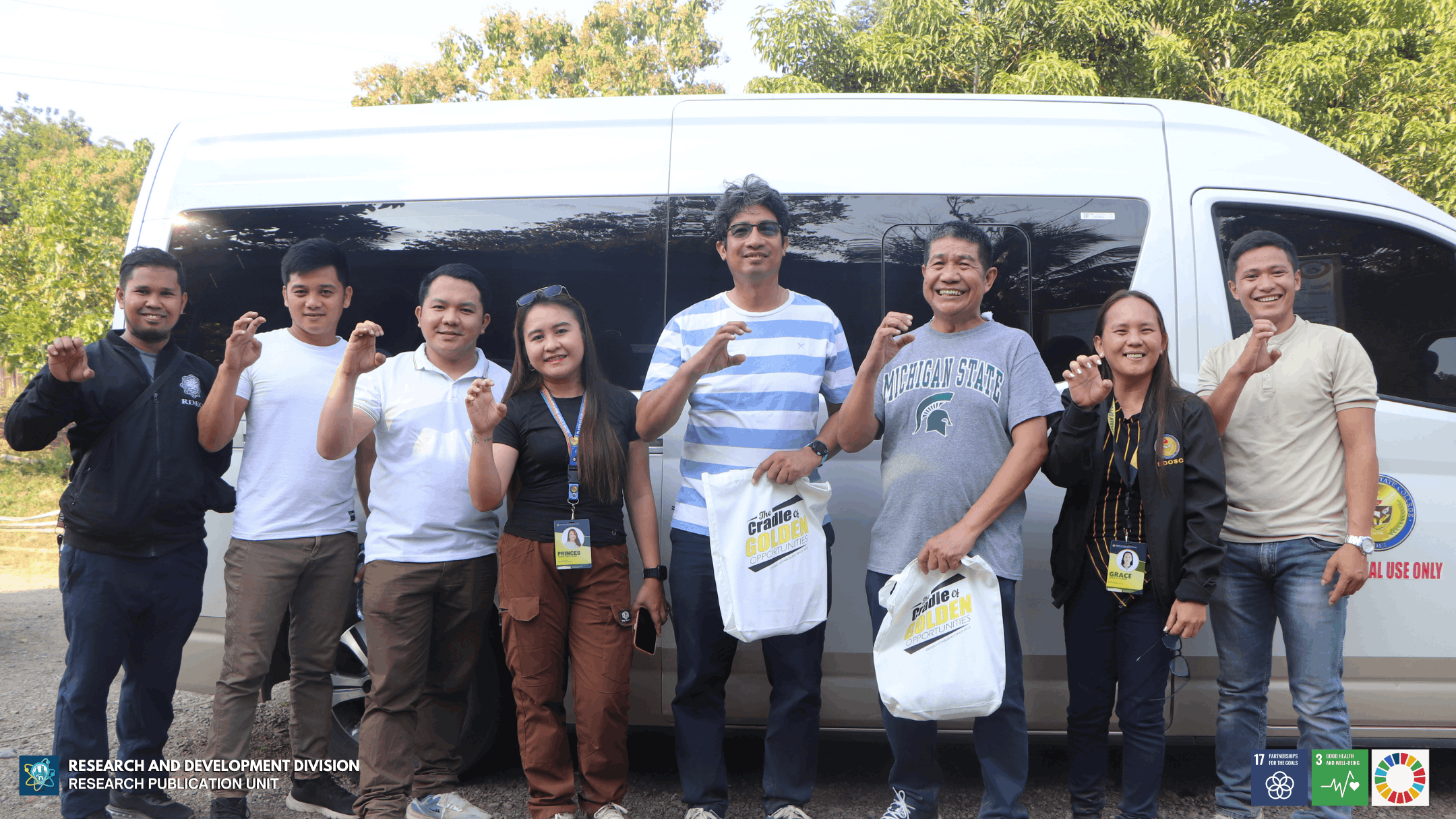
Officials and researchers from the Department of Science and Technology – Forest Products Research and Development Institute (DOST-FPRDI), in partnership with Davao de Oro State College, conducted a two-day site visit on April 15–16, 2026, as part of a collaborative research initiative. The field activities took place in Sitio Side-4, Barangay Mangayon, Compostela, Davao de Oro, and Sitio Mambago, Gupitan, Kapalong, Davao del Norte.
The field activity, which involved traversing challenging terrain, was led by Chief Science Research Specialist and Officer-in-Charge Deputy Director Fernando C. Pitargue Jr., alongside Supervising Science Research Specialist Anniver Ryan P. Lapuz of the Materials Science Division. They were joined by key research partners from Davao de Oro State College, including Research and Development Division Director Jupite Mark U. Banayag, Extension Services Division Director Jeson N. Geroche, and researchers Dr. Grace O. Tulang (Project Leader), Dr. Princes Luise D. Picaza (Project Member), and Dr. Elizer M. Rebucas (Project Member).
Local stakeholders played a vital role in facilitating the success of the visits. In Barangay Mangayon, the team was assisted by personnel from the Barangay and the Municipal Environment and Natural Resources Office (MENRO) of Compostela. Meanwhile, the support was extended by representatives from the Municipality of Kapalong and Kapalong College of Agriculture, Sciences and Technology (KCAST), including Mr. Ruel Toredez, Department Chair of the Bachelor of Science in Agriculture program.
The site visit forms part of the implementation of a newly approved research project funded by the Philippine Council for Agriculture, Aquatic and Natural Resources Research and Development (PCAARRD), titled “Assessment, Characterization, and Containment Strategies for Buyo-buyo (Piper aduncum) in the Davao Region: Toward Responsible Utilization and Policy Development.”
The study aims to generate comprehensive scientific data on the phytochemical composition, ecological characteristics, and management strategies of Buyo-buyo (Piper aduncum), a known invasive species. Researchers emphasize that the findings will play a crucial role in informing biodiversity conservation efforts, improving agricultural productivity, and promoting the long-term sustainability of ecosystems, across the Davao Region.