
From Assessment to Action: ESD strengthens participatory planning, M&E practices
The Extension Services Division of Davao de Oro State College reinforced its participatory planning and accountability systems through a two-day training on Participatory Rural Appraisal (PRA), Monitoring, and Evaluation (M&E) held on December 16–17, 2025, in Pantukan, Davao de Oro.
Entitled “From Assessment to Action: Strengthening Community Development through PRA, Monitoring and Evaluation,” the activity brought together extension personnel from all branches to align assessment tools with the actual conditions of partner communities and ongoing extension sites.
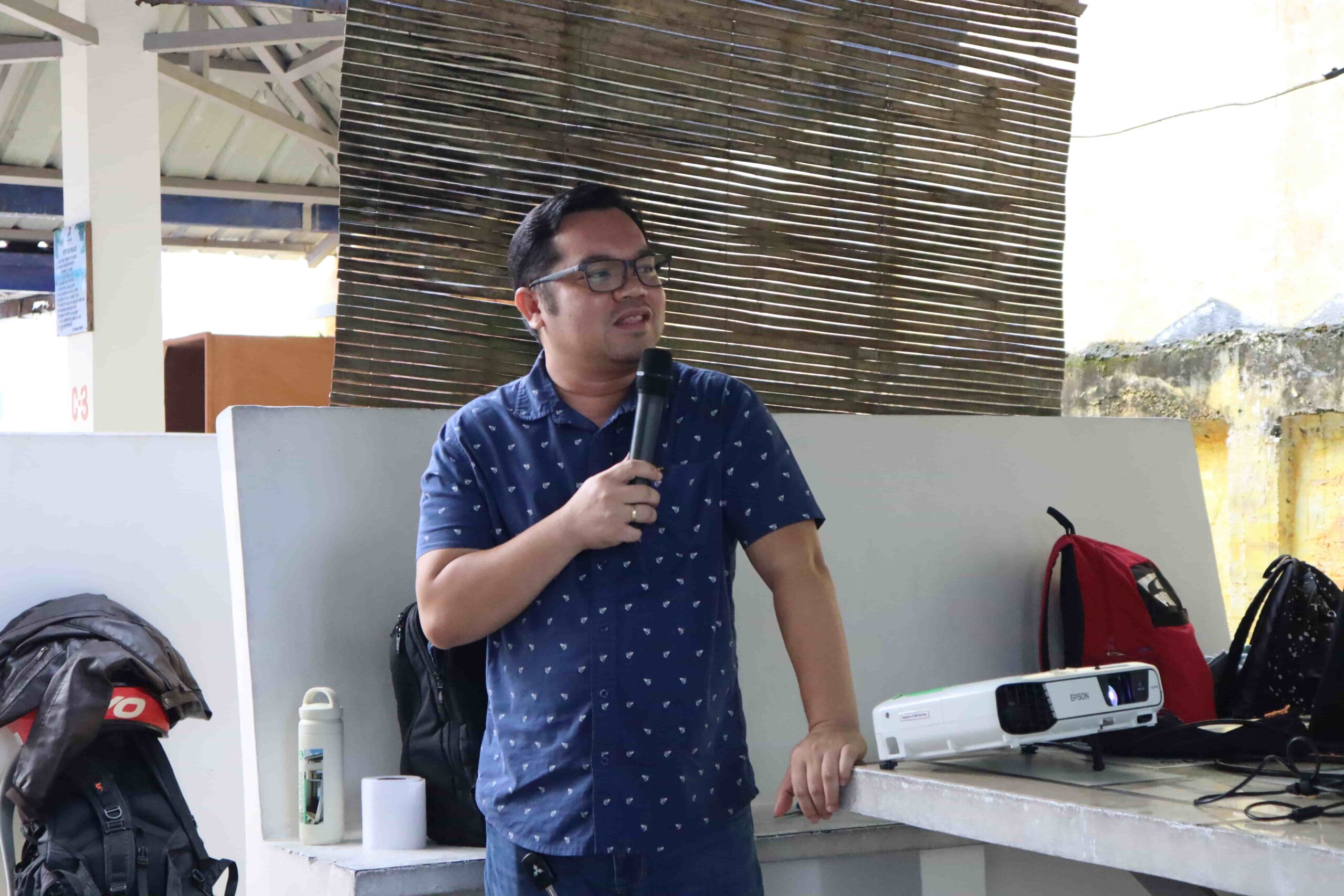
The first day grounded participants in participatory analysis. After the welcome remarks delivered by April Rose Dianne A. Villaro, DBM, Extension Services Unit Head, and the introduction of the resource speaker by Sharmine Faith A. Mahumas, MM, Extension Services Section-in-Charge of the Montevista Campus, the training proper was led by Silverio V. Magallon Jr., PhD, Associate Professor from the University of Southeastern Philippines.
Dr. Magallon set an engaging tone by posing reflective questions to participants, often drawing from familiar extension scenarios to encourage open sharing and active participation. His sessions emphasized PRA as a decision-making tool, guiding participants to critically examine how community voices, when properly analyzed, inform more responsive programs/projects.
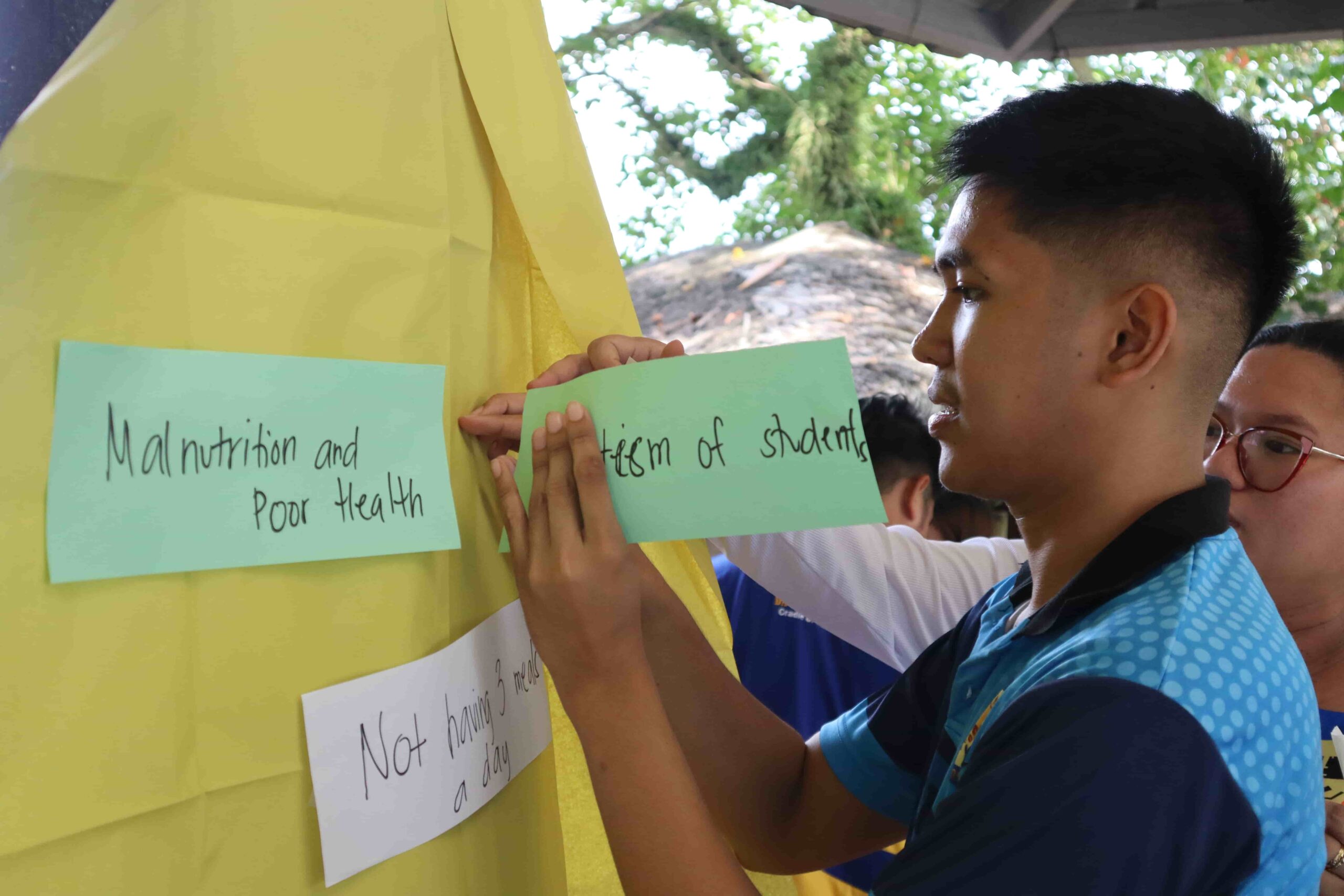
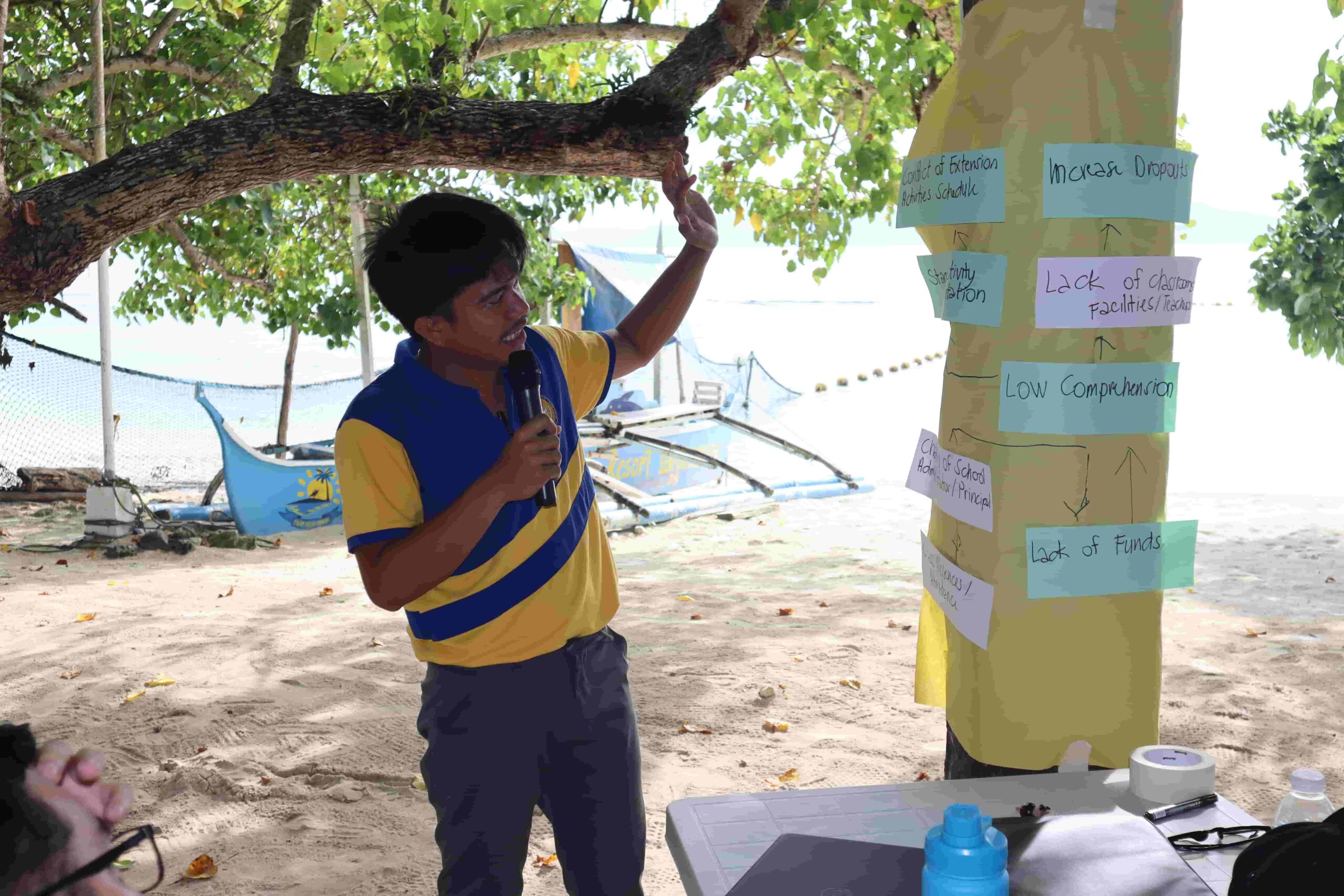
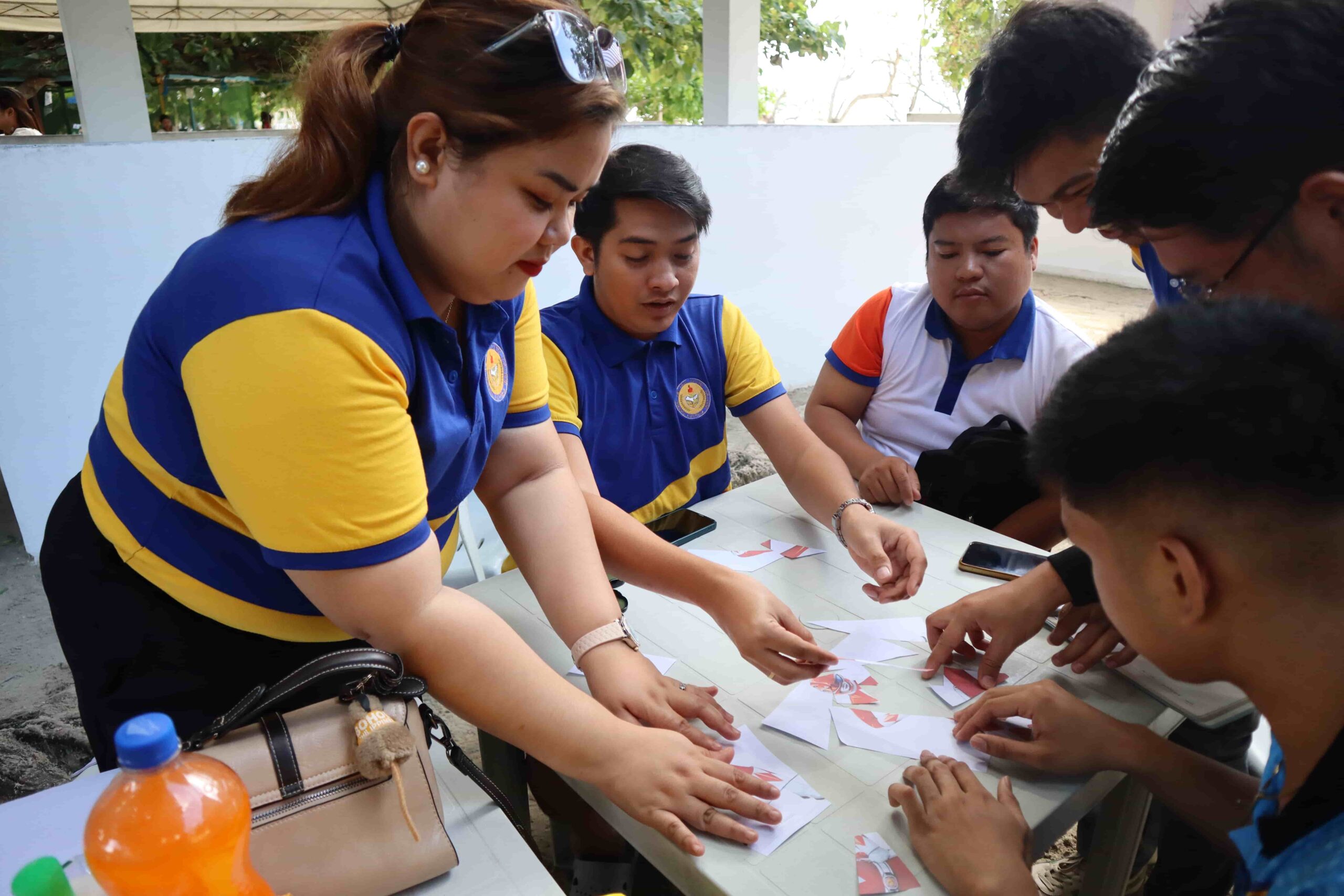
In one workshop session, participants were grouped into four clusters based on their respective branches. Each group mapped out actual community issues using problem tree analysis, stakeholder mapping, and basic situational profiling anchored on their ongoing extension programs. Identified issues ranged from livelihood sustainability to monitoring challenges in long-running community projects.
The second day shifted the focus to institutional application. Jeson N. Geroche, R. Agr., PhD, Director of the Extension Services Division, contextualized M&E mechanisms within DdOSC’s extension mandate. He stressed the importance of consistent indicators, proper documentation, and triangulation of data across campuses to ensure credible reporting.
The day also served as a working venue to collectively discuss practical systems to streamline M&E implementation in 2026. ESD personnel explored the use of standardized digital reporting templates, and clearer timelines for progress reporting and validation activities.
This initiative reaffirmed the Division’s commitment to evidence-based and community-responsive extension work, ensuring that assessment results do not end on paper but translate into “Extension in Action.”