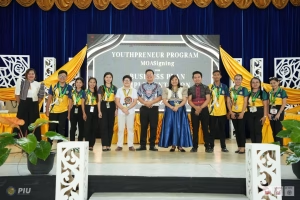

Microgridterprises training equips participants for operations, risk management, sustainability
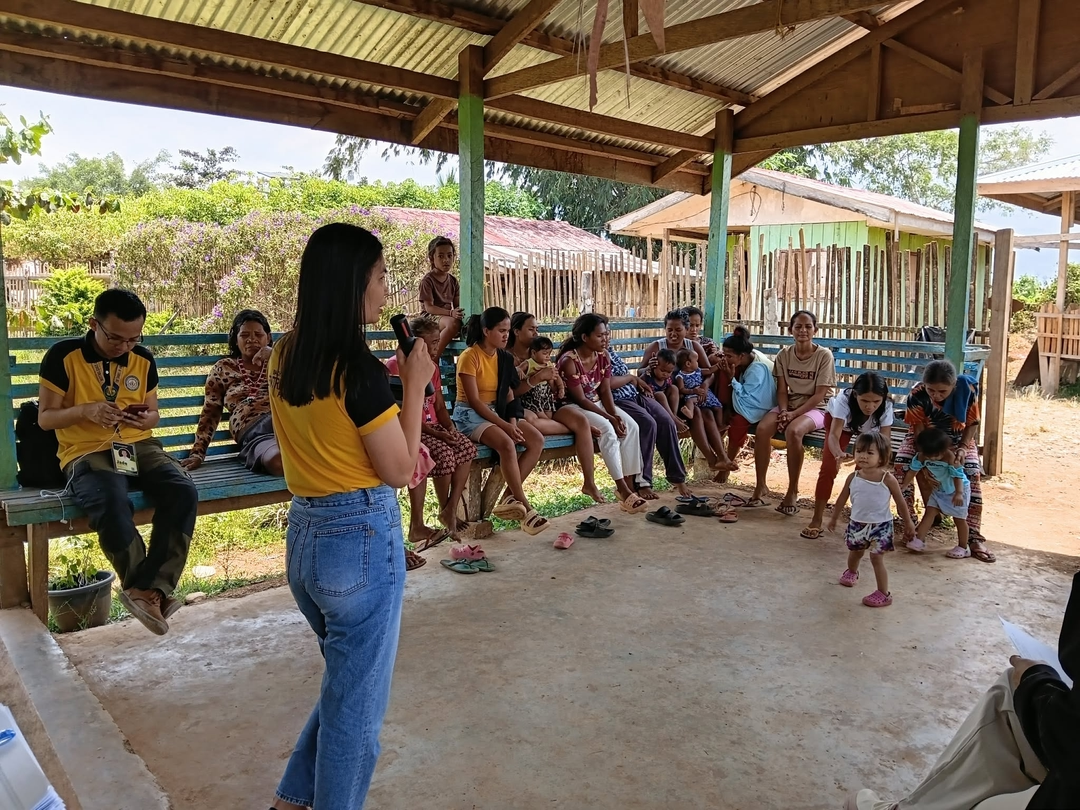
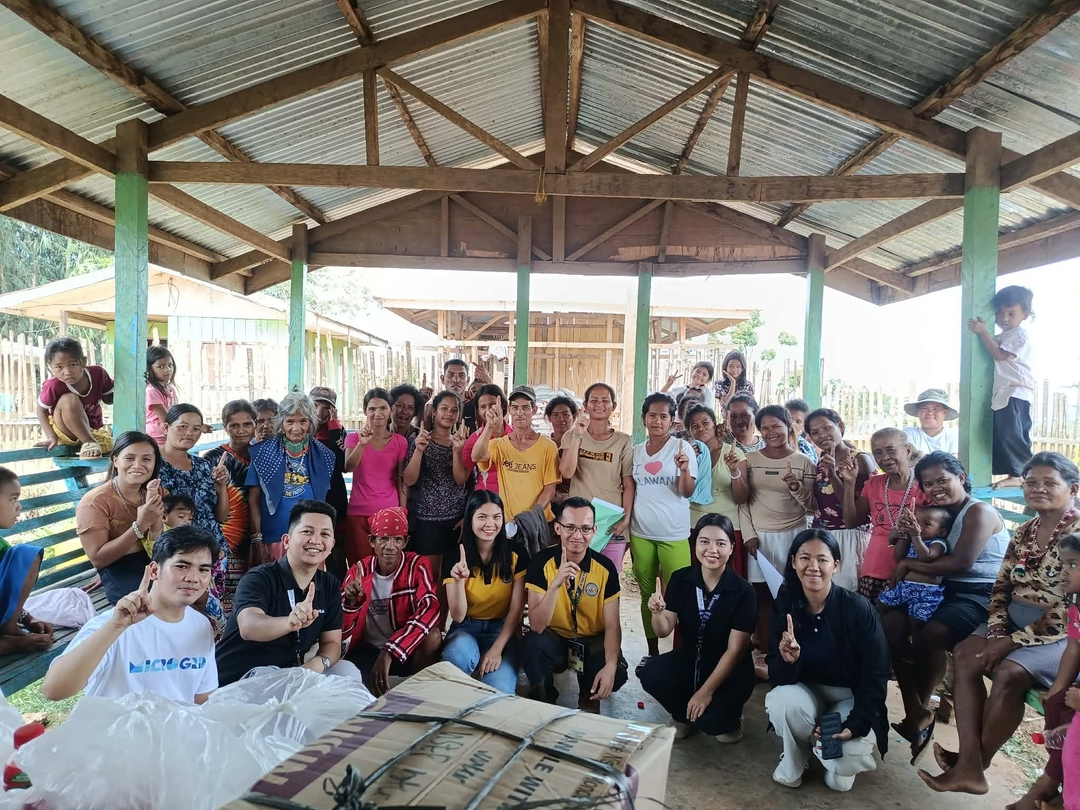
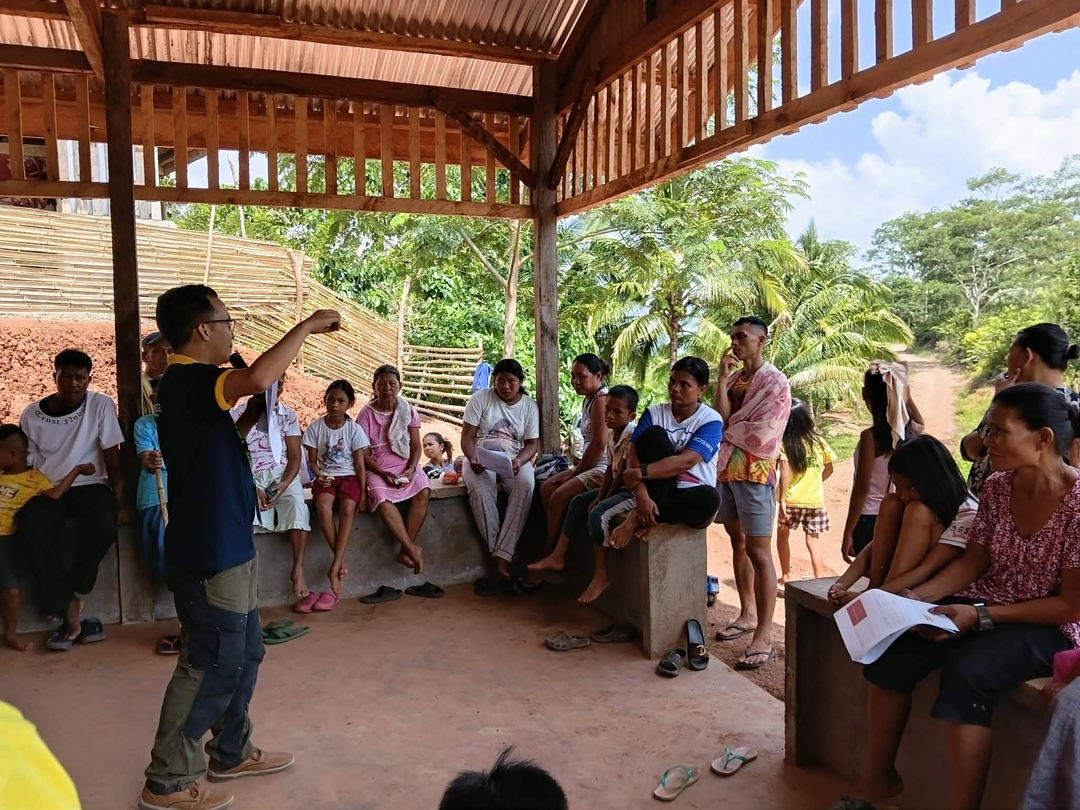
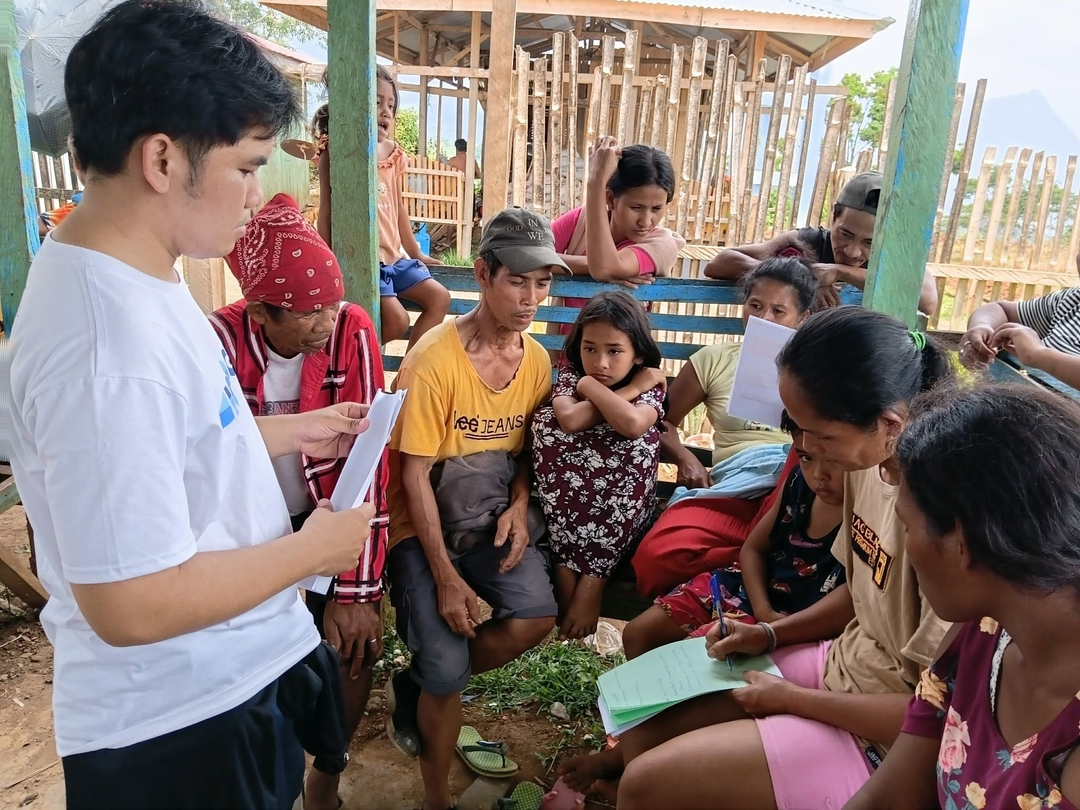
Participants under Project Microgridterprises in GIDA thru CEST strengthened their skills in enterprise operations, risk management, monitoring, and sustainability planning through a two-day participatory training designed to help them move from enterprise planning to implementation, performance tracking, and sustainable growth. The activity was conducted on September 10, 2026, at Sitio Side 4, Brgy. Mangayon, Compostela, Davao de Oro, and on September 11, 2026, at Purok 15, Brgy. Awao, Monkayo, Davao de Oro.
The training began with Session 1: Opening, Review, and Enterprise Readiness Check. Participants reviewed their priority enterprise, enterprise plan, target market, and value chain. They also assessed their readiness and identified gaps that could affect implementation.
The program then moved to Session 2: Enterprise Operations: From Plan to Implementation. Participants discussed production, procurement, inventory, quality control, storage, distribution, and customer service. They also clarified the roles of officers, committees, and members. Through a workshop, they mapped their enterprise process from inputs to customers and prepared an Enterprise Operations Process Map and a Preliminary Roles and Responsibilities Matrix.
In Session 3: Enterprise Risk Identification and Management, participants learned how to identify and manage operational, financial, market, supply, organizational, and environmental risks. They assessed the likelihood and possible impact of each risk. The session resulted in a site-specific Enterprise Risk Register.
Session 4: Enterprise Monitoring and Performance Tracking focused on tracking enterprise performance. Participants identified indicators such as production output, sales, expenses, inventory, and problems encountered. They then developed a Community Enterprise Monitoring Scorecard and initial enterprise performance indicators.
The training continued with Session 5: Sustainability and Growth Planning. Participants explored ways to sustain their enterprises financially, organizationally, and through markets and resources. They also identified growth strategies such as improving products, increasing production, expanding markets, and reinvesting earnings. Through the “NOW → NEXT → FUTURE” activity, they developed an Enterprise Sustainability and Growth Strategy.
The final session, Session 6: Enterprise Action Planning and Commitment Setting, brought together the outputs from the previous sessions. Participants developed an Enterprise Operations, Monitoring, and Sustainability Action Plan. The plan identified priority actions, responsible persons or committees, needed support, timelines, and expected outputs.
The two-day training provided participants with practical tools and action plans to guide their enterprises from planning to implementation, monitoring, and sustainable growth.