
Project CEST 2025 culminates through launching and turnover of Tambayayong Hub
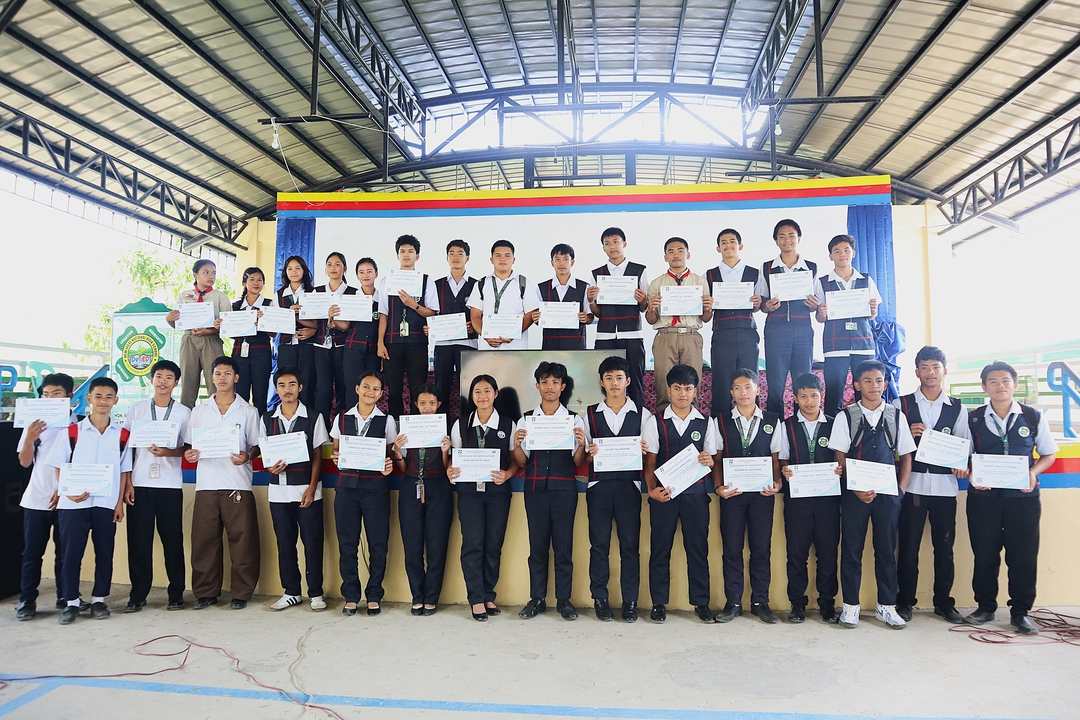
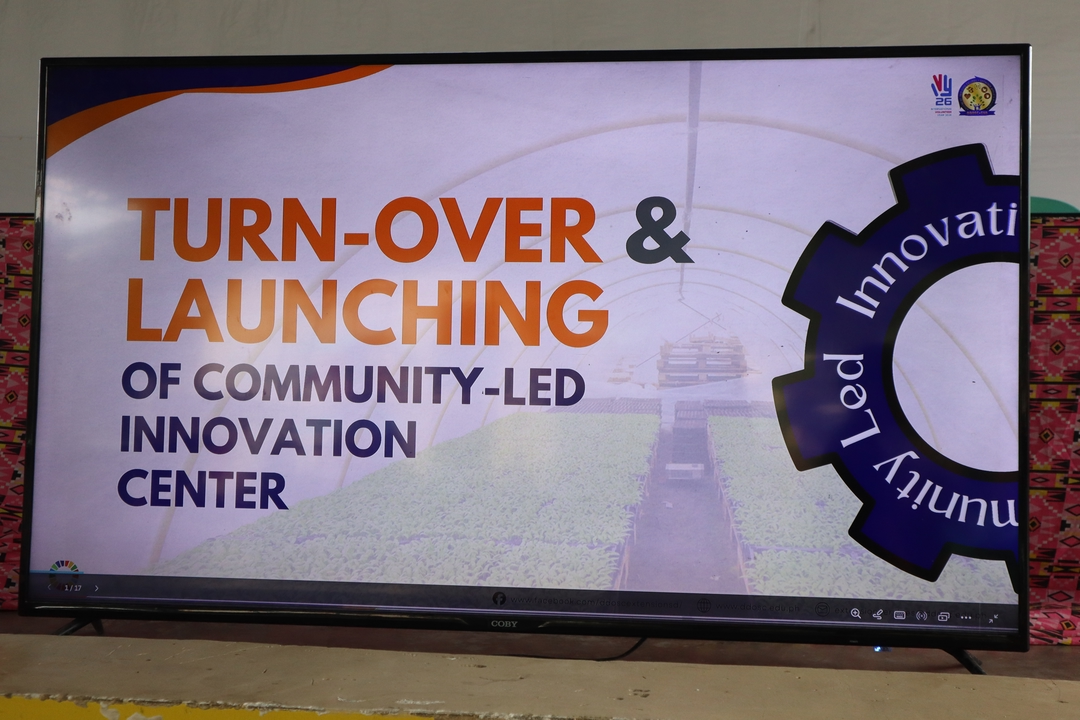
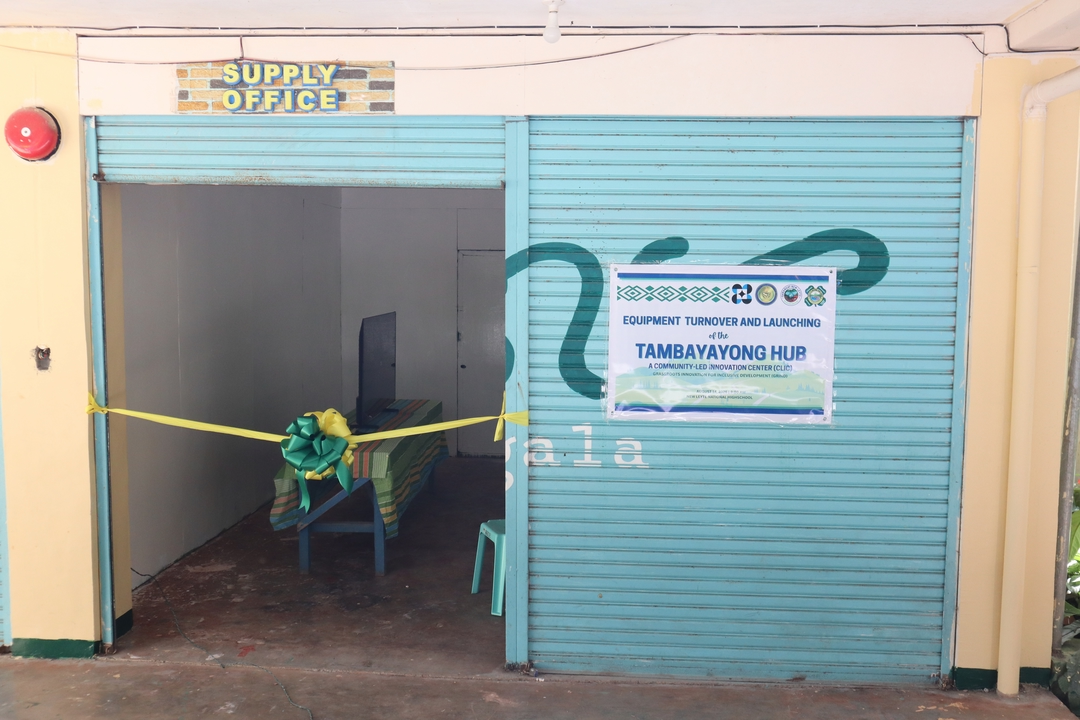
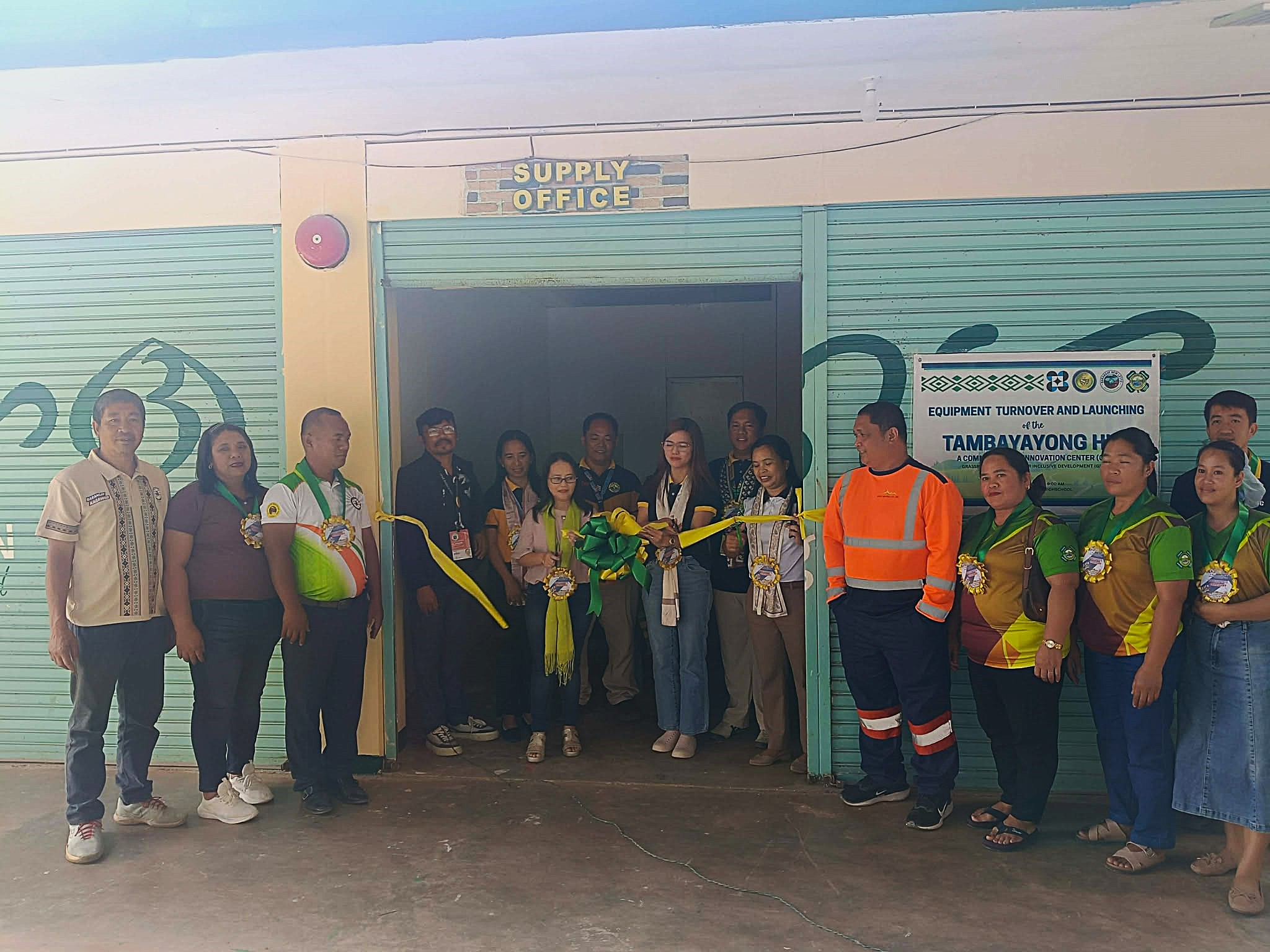
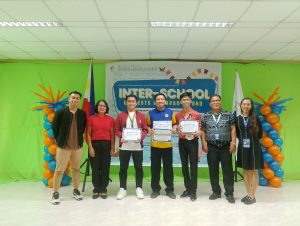
The CEST Davao de Oro 2025 Project, spearheaded by the Department of Science and Technology (DOST) XI and Davao de Oro State College, formally turned over and launched its Community-Led Innovation Center (CLIC), or Tambayayong Hub, on August 14, 2026, at New Leyte National High School in Maco, Davao de Oro, marking the culmination of the project’s series of community interventions and trainings before proceeding to monitoring and impact assessment.
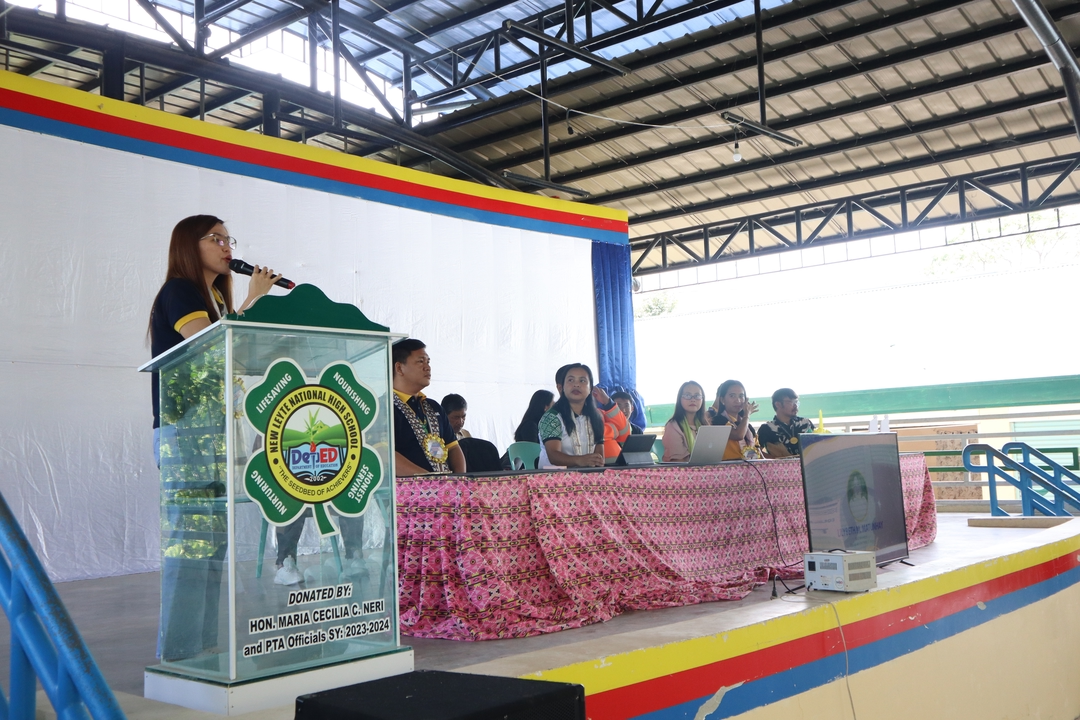
The event gathered partner agencies, community leaders, educators, industry representatives, Indigenous Peoples representative, and DdOSC personnel to formally mark the establishment of the Tambayayong Hub as a community-based space for innovation and collaboration.
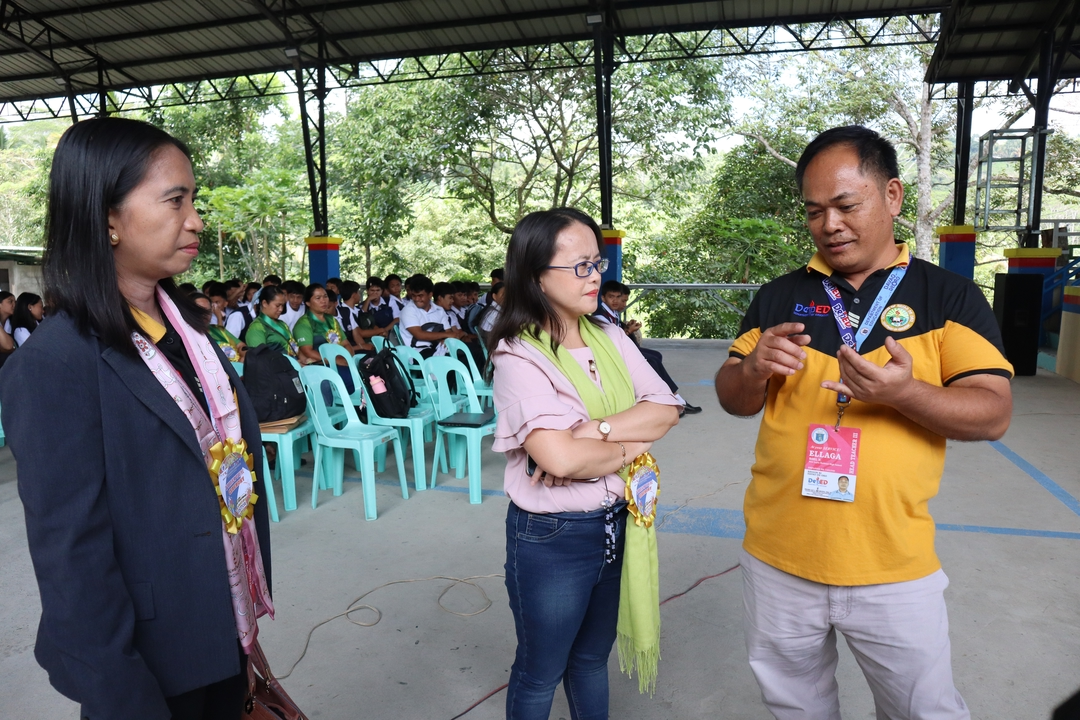
Among those present were Dr. Emmanuel B. Clarion, Science Education Supervisor from the Department of Education (DepEd)–Davao de Oro; Roel N. Ellaga, Head Teacher of New Leyte National High School; Felvic B. Pernito of DepEd Maco South District; Jerry Ellaga and Kathleen A. Respecio of APEX Mining Company; Barangay Kagawads Arnel M. Mangyao and Jemar J. Zamora; and Indigenous Peoples Mandatory Representative Rafelyn F. Escabosa.
Representing DdOSC were Project Leader Jerson M. Renegado and Lead Extensionist Engr. Eric Jhosua D. Ballesteros. Dr. Jennifer T. Pelegrino, Director for Research and Development Division, represented DDOSC SUC President Dr. Lilybeth M. Matunhay. Also present was Grace A. Ricardo, Senior Science Research Specialist from DOST XI, who has been instrumental in the implementation of the project.
During the program, representatives from the partner institutions and sectors delivered messages emphasizing the potential of the Tambayayong Hub to serve as a venue where community stakeholders can work together, explore local solutions, and build on the knowledge and skills developed through the project.
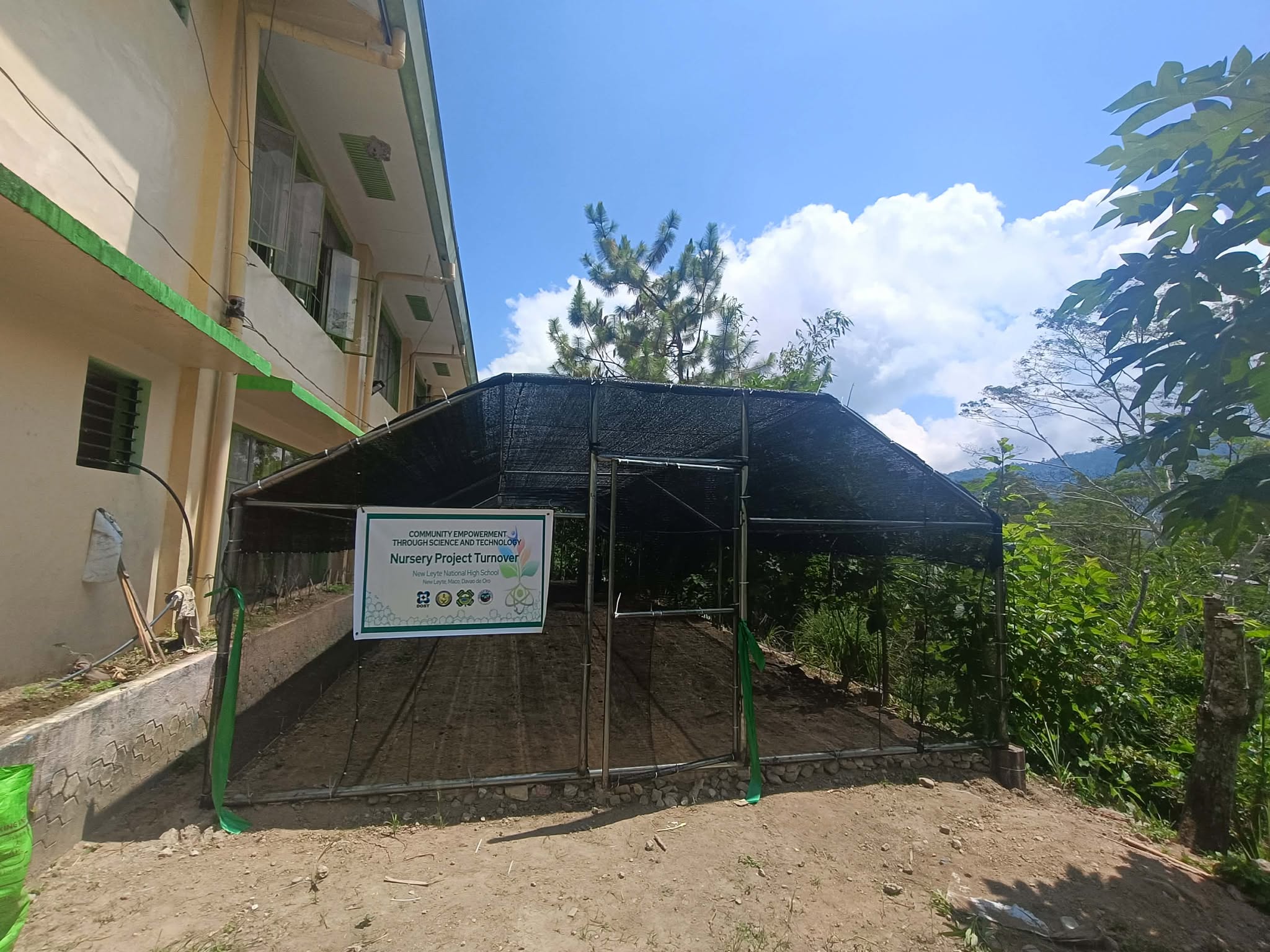
The Tambayayong Hub follows a series of project activities and capacity-building interventions, including nursery management, livelihood-related trainings, and other initiatives. With the facility formally turned over, the project now moves toward its succeeding phase of monitoring and impact assessment to determine the outcomes and sustainability of the interventions delivered to the community.