
DdOSC Research Team Presents Buyo-buyo Project Accomplishments to PCAARRD
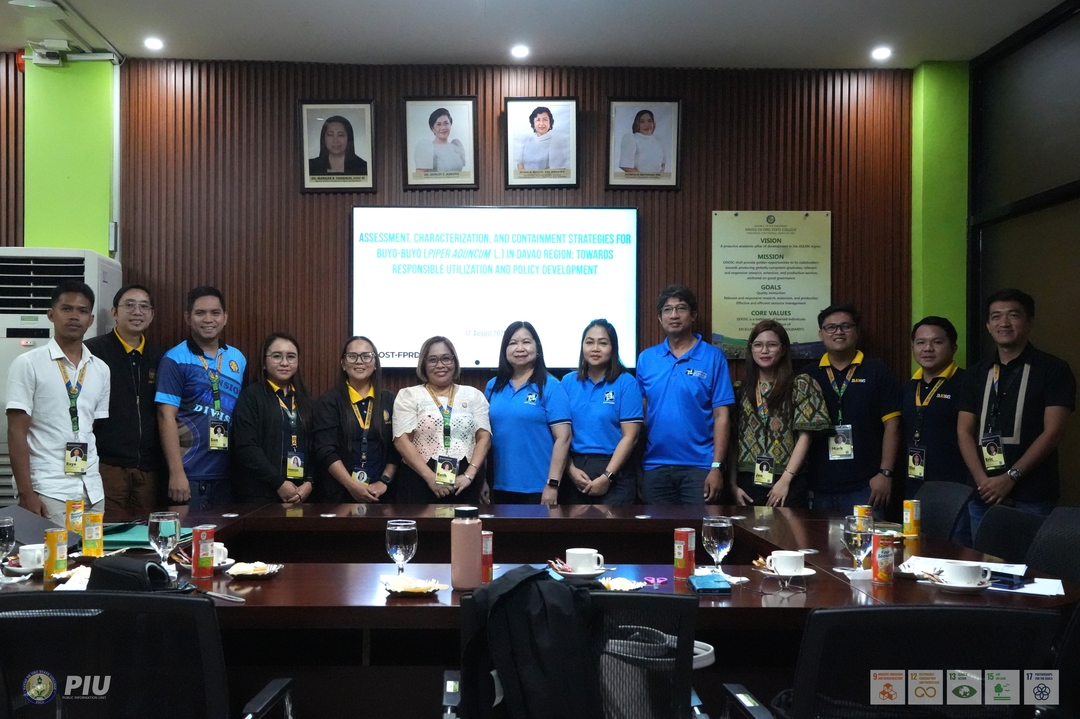
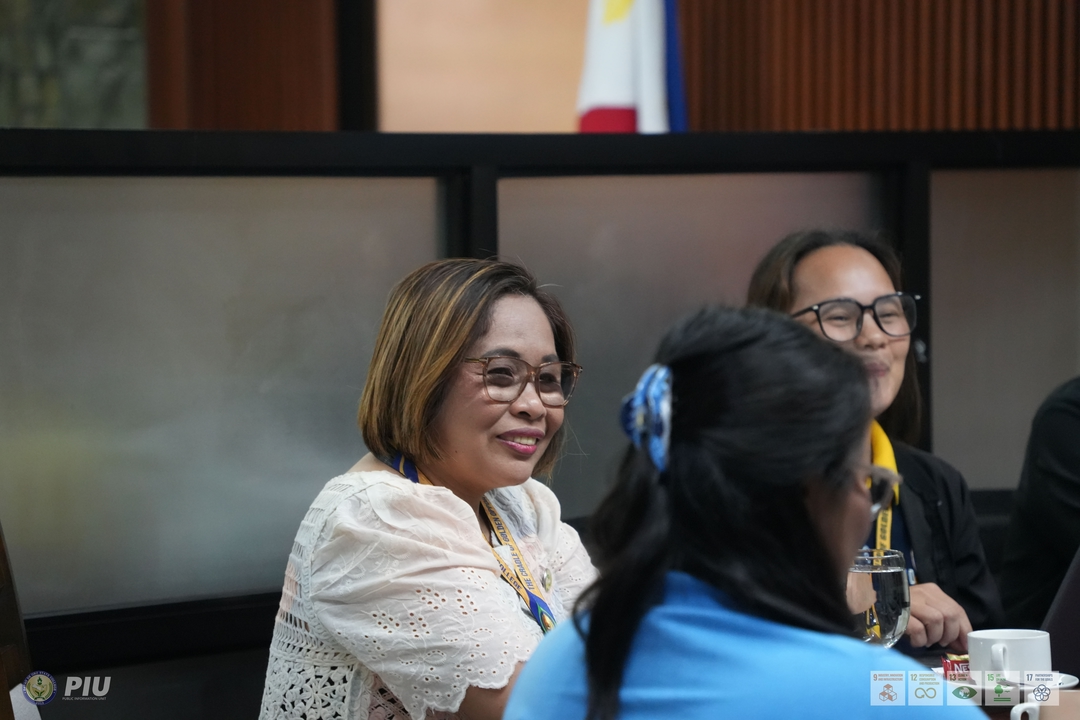
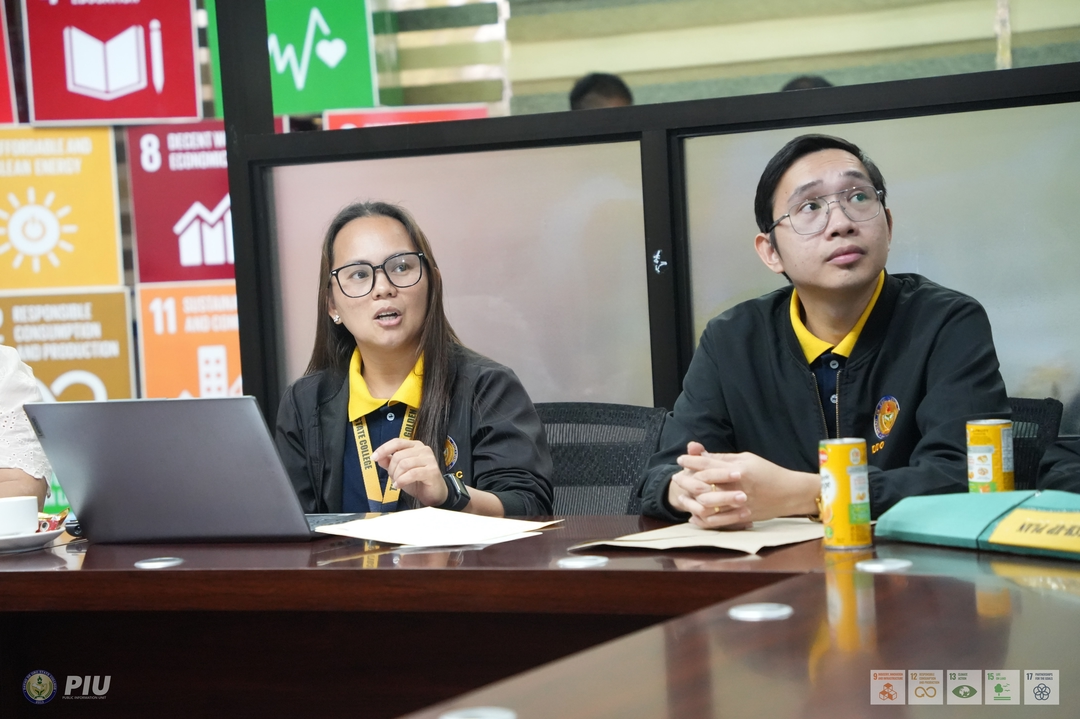
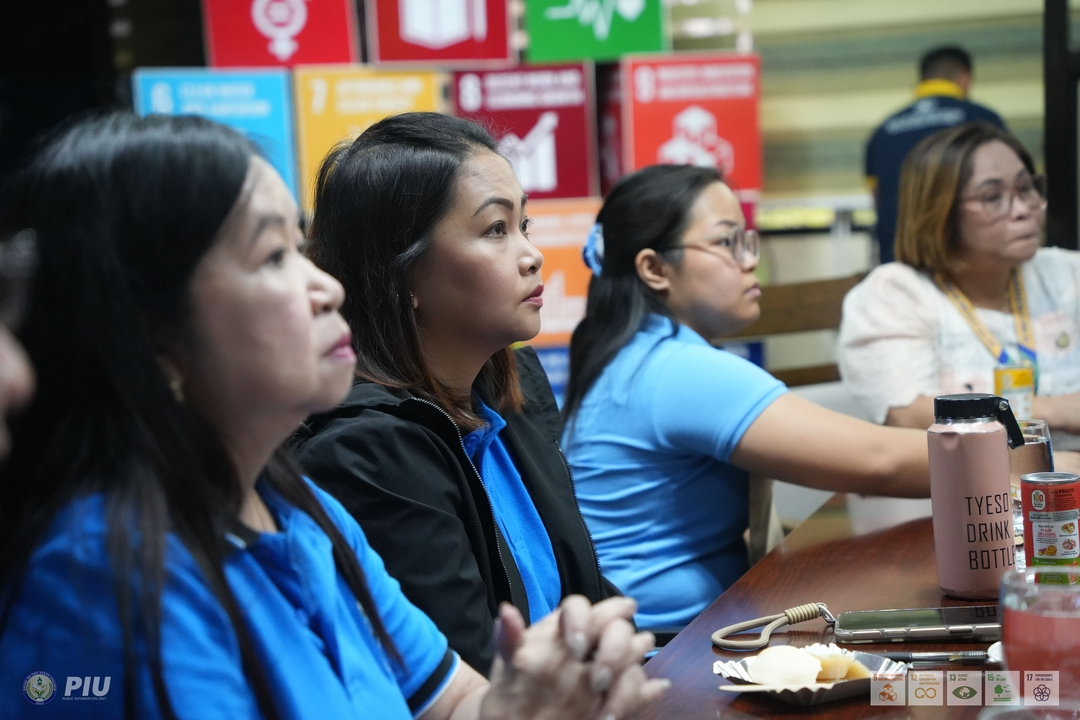
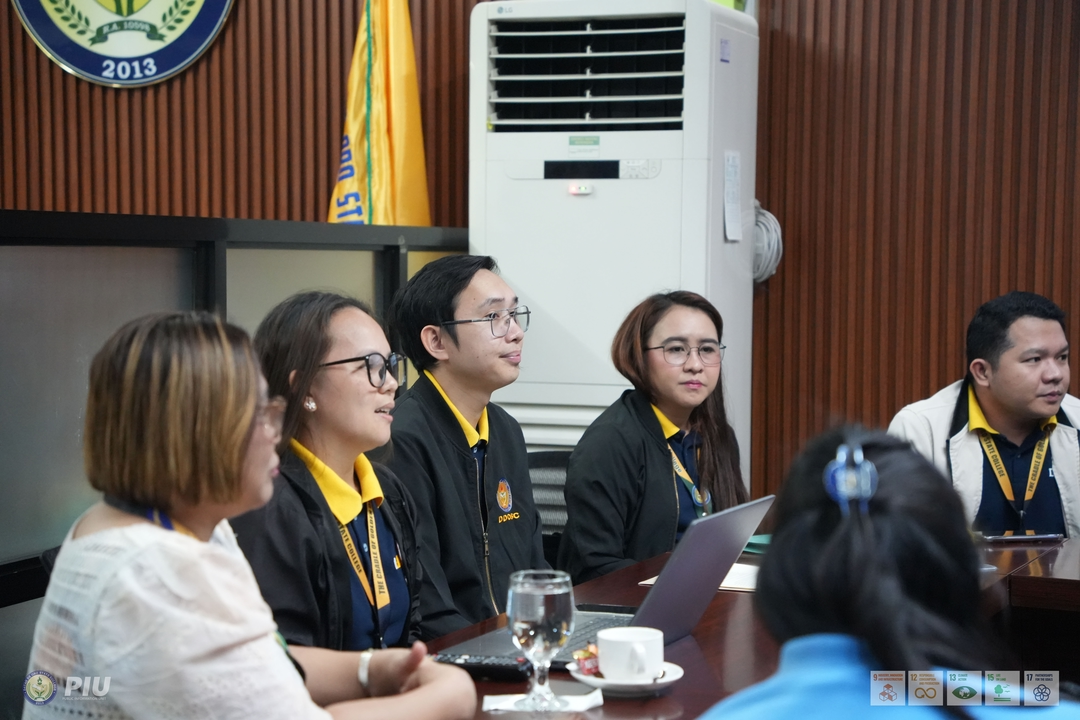
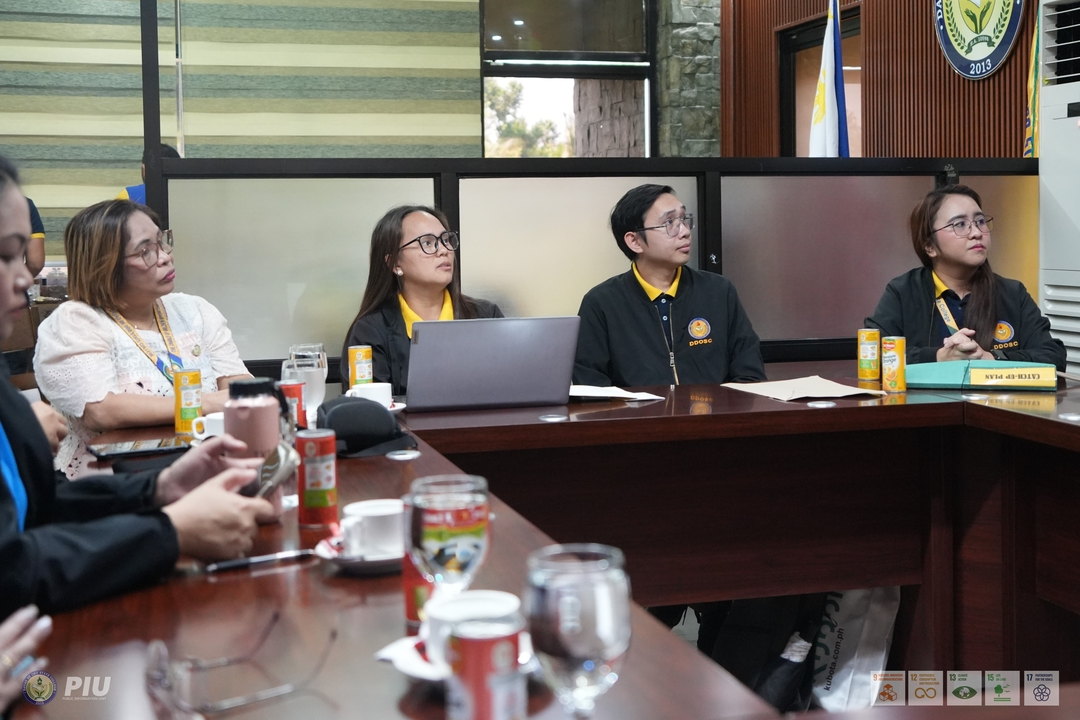
Dr. Grace O. Tulang led the Davao de Oro State College research team that presented the first- and second-quarter accomplishments of the project “Assessment, Characterization, and Containment Strategies for Buyo-buyo (Piper aduncum) in Davao Region: Toward Responsible Utilization and Policy Development” to representatives of the Philippine Council for Agriculture, Aquatic and Natural Resources Research and Development (PCAARRD) during a meeting held on August 17, 2026, at the DdOSC Presidential Conference Room.
The project, with a ₱5 million budget, seeks to assess the ecological presence and impact of Buyo-buyo in selected areas of the Davao Region and develop appropriate containment, utilization, and policy strategies for areas already affected by the species.
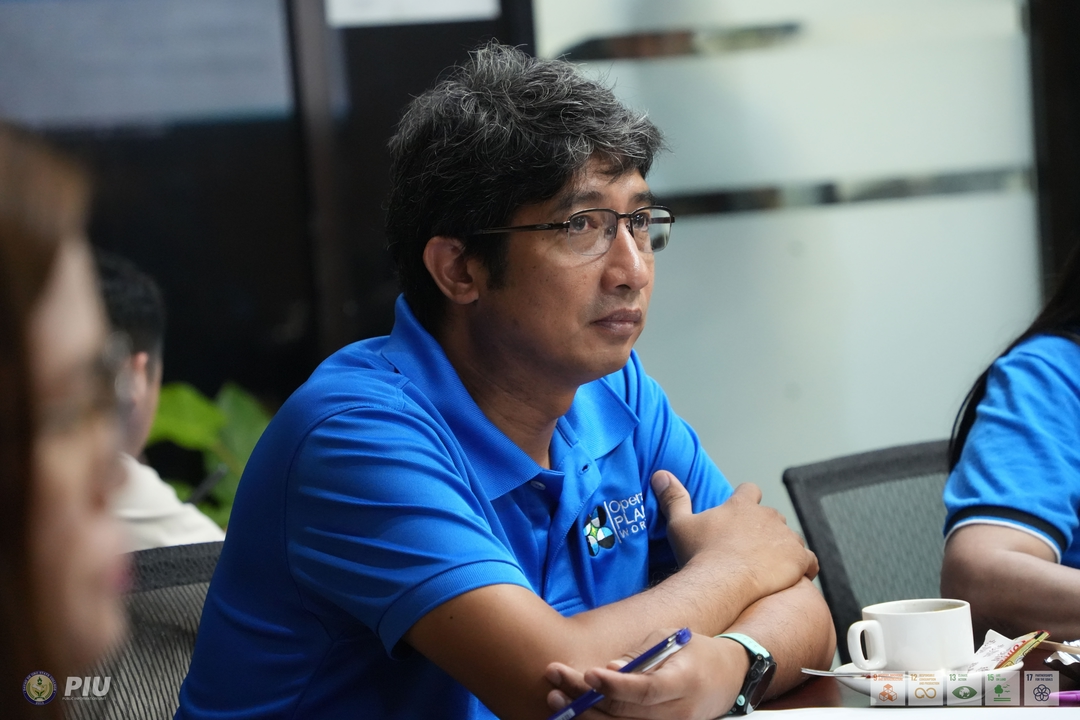
Present during the meeting were PCAARRD officers led by Forest and Environment Research Division Director Dr. Daisy Cabral and Supervising Science Research Specialist Dr. Christine Santiago, who joined the discussion on the project’s progress and ongoing activities.
Also part of the PCAARRD contingent were Dr. Anniver Ryan Lapuz, Project Leader, and Ms. Piola Belmonte, Project Technical Assistant IV, from the Forest Products Research and Development Institute.
Meanwhile, joining Dr. Tulang from DdOSC were Dr. Princes Luise D. Picaza, Dr. Rholey R. Picaza, Dr. Elizer M. Rebucas, Dr. Jeson N. Geroche, Jupite Mark U. Banayag, Engr. Eric Joshua D. Ballesteros, and DdOSC President Dr. Lilybeth M. Matunhay serving as project members.
Buyo-buyo is a fast-spreading woody shrub increasingly observed in abandoned farms, upland forests, and disturbed areas. Its aggressive growth and adaptability have raised ecological concerns because of its potential to outcompete native species, disrupt local ecosystems, affect soil conditions, and reduce agricultural productivity.
Dr. Tulang explained that the study focuses exclusively on existing natural stands of Buyo-buyo and does not encourage its propagation, cultivation, or intentional spread. Instead, it aims to generate scientific information that can support environmentally sound measures for assessing, containing, and controlling the species in affected areas.
Furthermore, the project aims to explore potential uses of Buyo-buyo materials removed during containment activities, including charcoal briquettes through biochar, organic pesticides and herbicides through wood vinegar, essential oils, herbal extracts, and wood pellets.
These potential products are intended to support the reduction of existing Buyo-buyo biomass rather than create demand for the further propagation of the species.
The project is also expected to generate recommendations for policy frameworks and localized control strategies that may assist government agencies and communities in managing Buyo-buyo infestations, minimizing further spread, and addressing their ecological and agricultural impacts in the Davao Region.