
Project GIYA conducts Training Session II; equips parents with agripreneurship skills
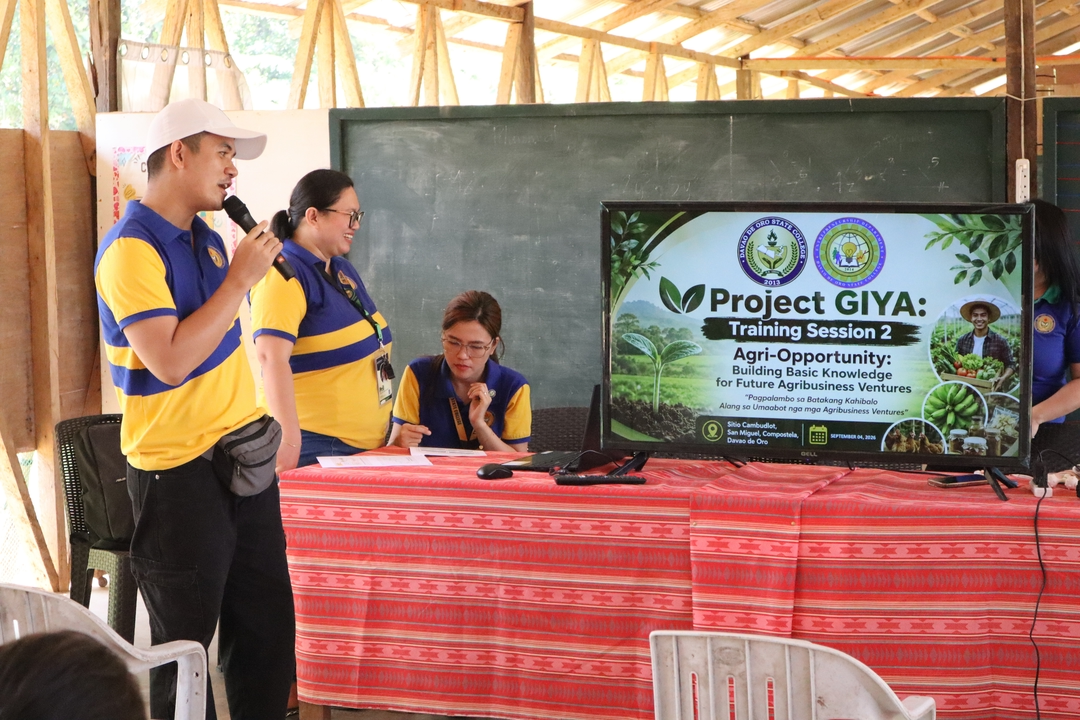
On September 4, 2026, Davao de Oro State College, through the Extension Services Division, conducted Project GIYA: Training Session, entitled “Agri-Opportunity: Building Basic Knowledge for Future Agribusiness Ventures,” at Sitio Cambudlot, Barangay San Miguel, Compostela, Davao de Oro. The activity was conducted for the parents of the learners of Gov. Vicente G. Duterte Elementary School, to enhance the basic knowledge of agribusiness concepts and opportunities.
The program was scheduled from 8:00 AM to 5:00 PM and featured three major topics delivered by Dr. Villaro, Dr. Leopoldo, and Dr. Pelegrino. The training begun a welcome remarks delivered by the Project Leader, Dr. Villario and a message from the School Head of Gov. Vicente G. Duterte Elementary School, Mr. Oscar R. Blase Jr.
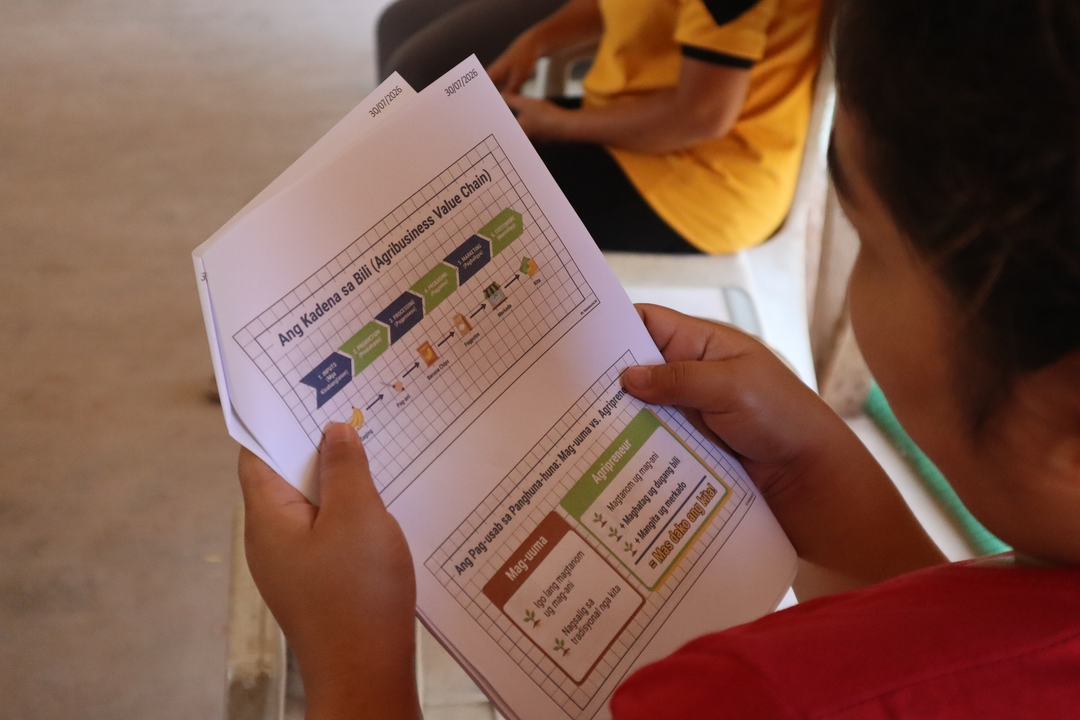
The training started with the discussion on Topic 1: “Agribusiness: Dili Lang Pag-uma, Apan Negosyo,” facilitated and discussed by Dr. Jennifer T. Pelegrino. The session introduced the concept of agribusiness as more than farming, emphasizing its role as a business that creates value from agricultural products and activities. The discussion highlighted the importance of understanding the agribusiness value chain, recognizing opportunities within the agricultural sector, and exploring ways to add value through product development. It also encouraged participants to appreciate how agribusiness can provide opportunities for innovation, income generation, and community development.
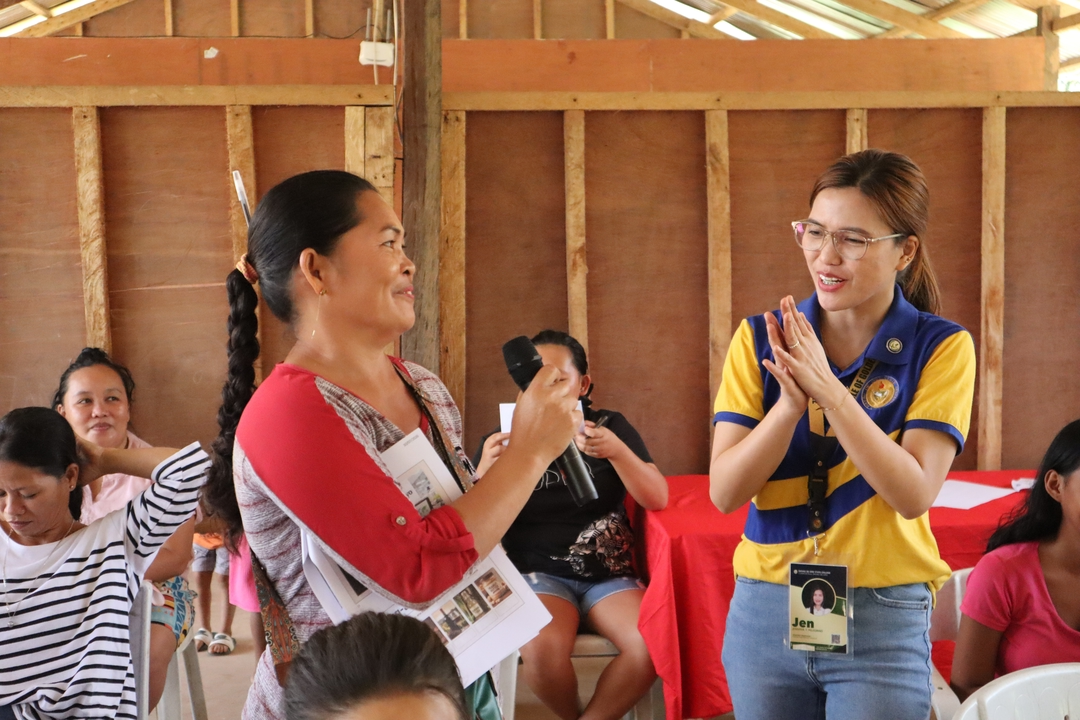
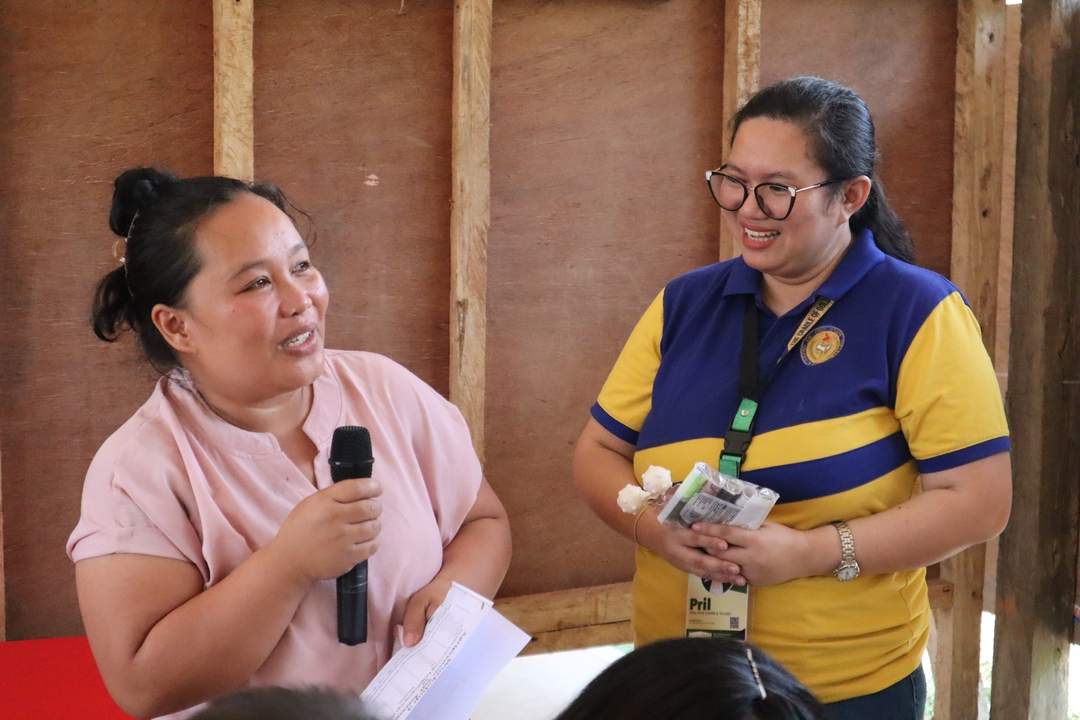
After Topic 1, an interactive “Unsay Pwede Mahimong Negosyo?” activity was conducted as a post-assessment and engagement activity. The participants were grouped to identify available resources, possible products, potential buyers, and ways to improve the value of their proposed agribusiness ideas. Each group presented their business concept within three minutes, allowing them to apply their knowledge, explore possible livelihood opportunities, and practice presenting practical business ideas.
The second session, Topic 2: “Agrikultura isip Negosyo ug Umaabot,” was facilitated and discussed by Dr. Juanita C. Leopoldo. The session emphasized the importance of agriculture as both a vital sector and a potential livelihood for individuals and communities. The discussion explored why agribusiness matters by highlighting its role in providing income, employment, and essential products, while also encouraging participants to recognize agriculture as a field with opportunities for growth and entrepreneurship. It further highlighted why agriculture still has a future, inspiring participants to appreciate its continuing relevance and potential as a sustainable source of livelihood.
As a post-assessment activity for Topic 2, the participants accomplished the Opportunity Mapping Workshop. The participants worked in groups to map potential agribusiness opportunities within their community by identifying community needs, available resources, possible products, target customers, potential partners, and the skills needed to develop their ideas. The activity encouraged them to connect local resources and needs with practical business opportunities and present their outputs to the group.
The third session, Topic 3: “Nahimong Agripreneur,” was facilitated and discussed by Dr. April Rose Dianne A. Villaro. The session focused on developing an understanding of the qualities needed to become an agripreneur and encouraging participants to recognize their own potential in the field of agriculture. The discussion highlighted the importance of having an entrepreneurial mindset, initiative, creativity, adaptability, and willingness to take calculated risks. Participants were also encouraged to reflect on their personal strengths and consider how these can be developed and applied in pursuing agribusiness opportunities.
For the post-assessment activity following Topic 3, the participants accomplished Workshop 3: “Agripreneur Self-Assessment.” The participants completed a self-assessment activity by rating themselves as Yes, Sometimes, or Not Yet based on key agripreneur qualities such as being hardworking, creative, patient, honest, a risk-taker, and confident. The activity encouraged participants to reflect on their personal strengths and identify the qualities they would like to further develop in becoming successful agripreneurs.
The activities demonstrated the potential of agripreneurship education as an extension intervention that can help participants recognize agriculture not only as a source of food but also as an avenue for income generation, innovation, and community development. Through the discussions and reflections, participants were encouraged to appreciate their existing abilities and consider how these can be developed and applied toward possible agribusiness and livelihood opportunities.